
Event Catering For Every Occasion
Engagements, birthdays, baby showers, cultural ceremonies and 300-guest galas — menus and service built around the event you’re actually hosting.
Caterers For Every Kind Of Melbourne Event
Engagements, birthdays, baby showers, cultural ceremonies, fundraisers and 500-guest galas — different occasions need different food, different service and different timing, and we plan each accordingly rather than running one format for everything. We are a catering company, so we come to you: your venue, your hall, your marquee, your backyard. Three Melbourne venues are also ours if you still need a space. Every menu includes vegetarian, vegan and gluten-free as standard, with halal-certified meat available on request.- From 15 to 500+ guests
- Drop-off, buffet, plated or live stations
- At your venue, or one of our three
- Vegetarian, vegan, gluten-free and halal
- Multi-day and multi-event celebrations
- Itemised quote within 24 hours
Pick The Occasion
Each event type has its own menu structure, service style and guest-count range. Start with yours.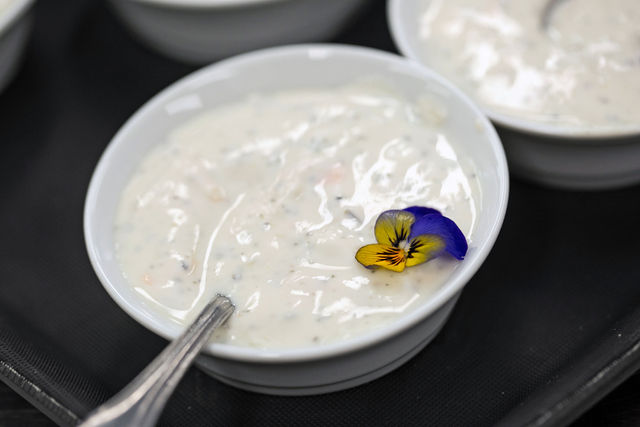
Engagement Party Catering
Grazing tables, buffets and plated menus for 40 to 150 guests. View details →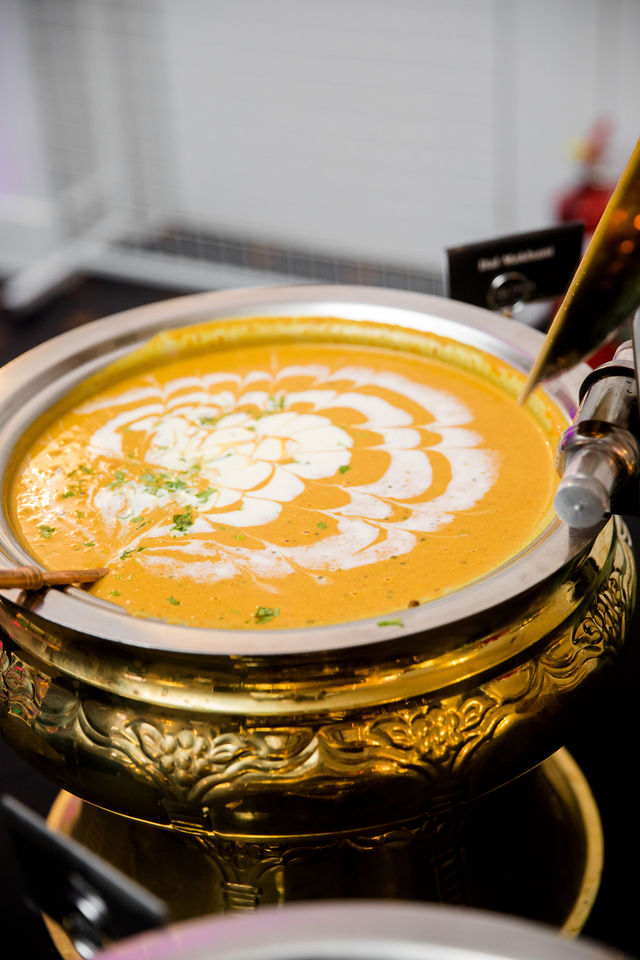
Birthday & Milestone Catering
Kid-friendly menus through to 21st, 40th and 50th celebrations. View details →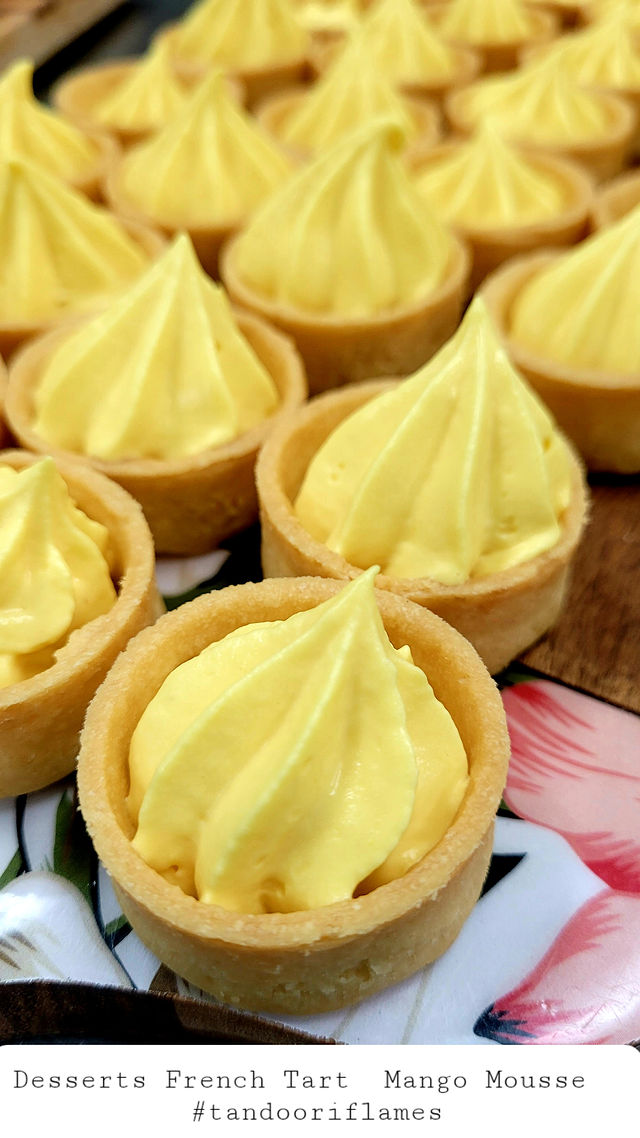
Baby Shower & Family
Grazing tables and share platters for 15 to 80 guests. View details →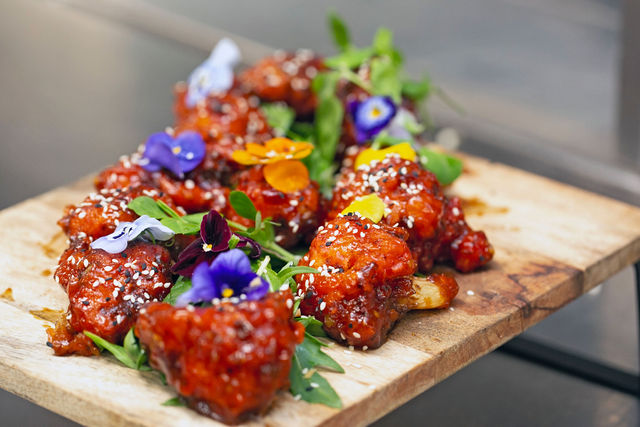
Cultural & Religious Catering
Halal-certified, ritual-aware menus for every tradition. View details →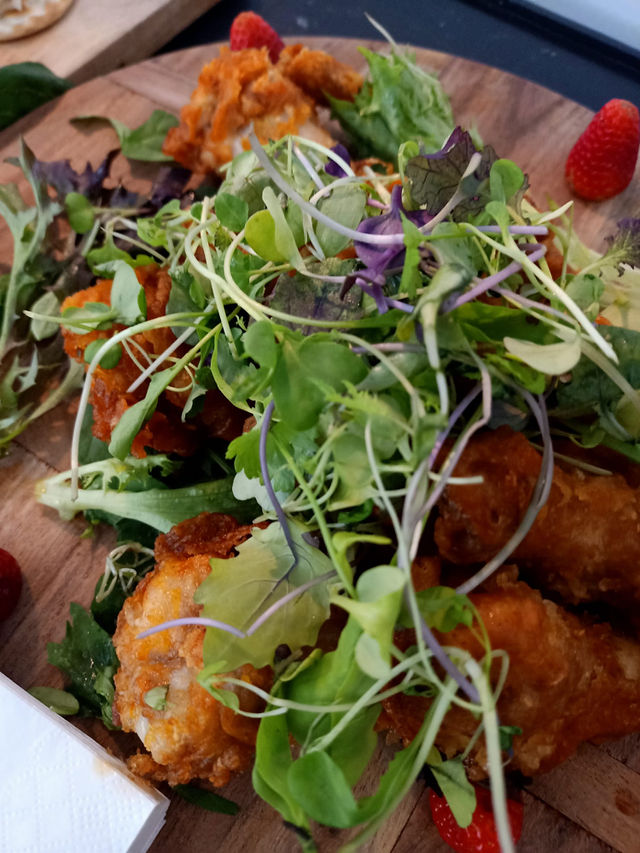
Gala & Large Events
Formal plated service for fundraisers and 300+ guest functions. View details →Three Melbourne Venues Of Our Own — Or We Come To Yours
Tandoori Flames is a catering company first. We own and operate three event venues across Melbourne, and we also cater your event at any venue, marquee, hall, park or private home you choose.Ultima Function Centre
Keilor East — eight event spaces and capacity to 800 guests. Catered in-house by our own team. Visit site →Fleur Weddings & Events
Fawkner — a glamorous single-room reception for up to 400 guests. Catered in-house by our own team. Visit site →Amora
Melbourne — our third event space, for clients who want a hotel-grade setting. Catered in-house by our own team.Melbourne-Wide, From Our South Kingsville Kitchen
Our production kitchen is in South Kingsville and our vans go everywhere — the inner west, the CBD, the bayside suburbs, the north and the outer west. Any delivery charge is quoted up front, never added later.
South Kingsville · Williamstown · Newport · Yarraville · Altona North · Point Cook · Hoppers Crossing · Tarneit · West Footscray
Event demand in Melbourne follows a clear calendar. October through April carries weddings and outdoor functions, with Saturdays in Keilor East, Fawkner and the inner west booked furthest ahead. Late October to mid-December belongs to corporate end-of-year events, mostly Thursday and Friday. Winter is quieter and better value for indoor functions. Geography matters too: western suburb families in Point Cook, Tarneit, Hoppers Crossing and Werribee often want a venue within a short drive for elderly guests, while CBD and Docklands spaces suit corporate guest lists travelling by train. Parks in Williamstown and Altona North require Hobsons Bay permits.
Event Catering — Your Questions Answered
We cater weddings, corporate functions, private parties, engagement and milestone celebrations, and cultural or community events across Melbourne. That covers everything from a team lunch in the CBD to a four-hundred-guest reception. Each event type has its own page with the menus, service styles and logistics that apply to it, because the requirements genuinely differ.
Yes, we cater both. Small gatherings at home or in a meeting room are usually drop-off or a single live station with one or two crew. Large functions run full service with a rostered team. There is no hard minimum guest count, though the menu choice broadens as numbers grow because we can cook a wider spread economically.
Yes. A corporate lunch menu is lighter and quicker to serve than a wedding banquet, and a cultural event menu is usually built around specific dietary and religious requirements. We start from the occasion, the guest mix and the service style, then choose dishes that hold up under that service rather than offering one fixed list.
Yes. We run multiple events on the same date regularly, particularly on Saturdays through the warmer months. Each event gets its own rostered crew, its own equipment and its own production run in the kitchen. Popular dates do fill, so the earlier you confirm, the more likely your preferred service style and crew size is available.
Yes. We cater Indian, South Asian and multicultural celebrations, including events with pure vegetarian requirements, halal requirements, no-onion-no-garlic requirements or fasting-period menus. Tell us the requirement at enquiry stage, not at final numbers, because it affects how dishes are prepared and how the kitchen production is separated.
Pick by guest numbers, event length and whether guests are seated. Standing events under two hours suit roaming canapes. Seated events with speeches suit a buffet or plated service. All-day events need multiple services and crew on site. Send us the guest count and the venue, and we will recommend a format before you choose dishes.
Weddings, by a wide margin, mainly because popular Saturdays between October and April get committed a year or more out. Large community and cultural events come next, since council permits and public liability arrangements take weeks. Corporate functions and milestone birthdays are far more flexible, and short-notice bookings like wakes can usually be arranged within days.
Yes, and multi-part events are common in Melbourne’s multicultural communities. A ceremony in the morning, a lunch for close family, then an evening reception for a wider guest list is a single booking with three different service plans. Each part needs its own timing, menu and staffing, and the gaps between them need a plan too.
Guest count usually decides it. Under about 60 guests a home or private property works if there is kitchen access, parking and a wet-weather option. Past that, you are hiring marquees, portable kitchens, furniture and amenities, which often costs more effort than a venue and brings council and neighbour considerations into play.
Standing events need more floor area per guest but far less furniture, and they tolerate loose timing. Seated events need a floor plan, a seating chart and synchronised service, which locks the timeline. Standing formats suit networking and shorter functions. Seated formats suit speeches, formal courses and anything where guests stay more than three hours.
Yes. Plenty of bookings are catering only, where you or a planner runs the event and we deliver the food and floor service to an agreed run sheet. We ask for the timeline, supplier list and venue access details so our crew fits the plan rather than cutting across it. Coordination can be added later if it gets complicated.
Match the page to the structure of your day rather than its label. A 50th with speeches and a seated meal plans like a wedding reception. A family celebration with a ceremony element plans like a cultural event. If your occasion sits across two, start with whichever has the tighter timing, because that is what the run sheet is built around.
Catering for every occasion we get asked to cover
Different occasions need different things from a caterer. A wedding needs a crew that understands rituals and a long day. A corporate lunch needs a delivery window. A birthday at home needs food that arrives hot and a kitchen left clean. A cultural or community event needs volume, dietary separation and someone who has done it before. This page is the index — pick the occasion closest to yours and the detail sits on that page.
What stays the same across all of them is where the food comes from. Everything is cooked in our South Kingsville kitchen and taken to your site, whether that is a function centre, a hall, an office tower or a back garden in Newport. What changes is the service style, the crew size, the equipment on the truck and how the menu is sequenced. Those decisions are made against your occasion, not applied from a template.
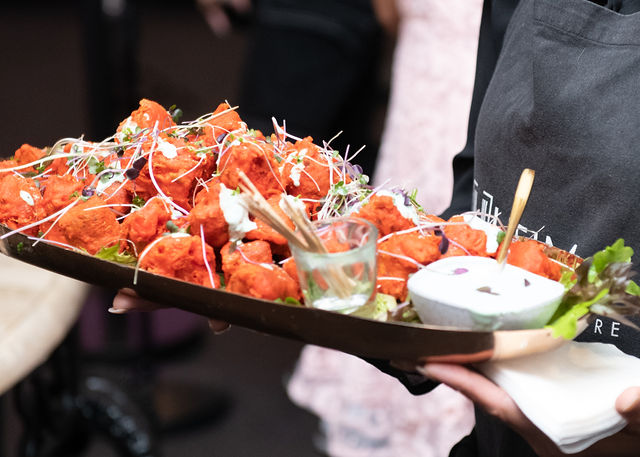 Tandoori Flames Melbourne
Talk To A Human
Call 0401 338 005 any day between 9am and 8pm, or send the form and we will come back within 24 hours.
Get An Itemised QuoteHow the occasion changes the catering
Service style follows the room
Plated service suits seated formal events. Buffet suits larger numbers and mixed guest lists. Roaming canapes suit standing functions and arrival hours. Drop-off suits relaxed gatherings where nobody needs waiting on. The occasion usually decides this before taste does, and we will say so when quoting.
Volume changes the method
Cooking for forty and cooking for four hundred are different operations. Larger numbers mean staged service waves, more chafers, a bigger crew and tighter timing on bread and tandoor items. Smaller events can run live stations as the main attraction because the queue never gets long.
Guest mix shapes the menu
A corporate team, a wedding guest list and a community event all carry different dietary spreads. We ask who is coming before we write anything — vegetarian, vegan, gluten-free and halal counts, children, elders, and whether guests expect Indian food or a multicultural spread.
Dishes that work across occasions
These are the dishes we put on the table most often, grouped the way a shared menu is usually built rather than by any single event type.
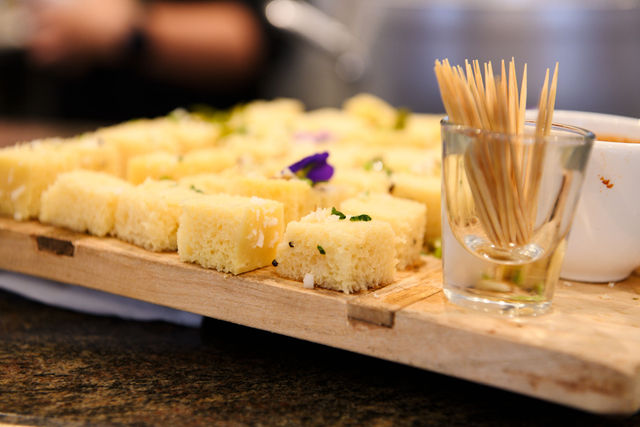
Shared Starters
Samosa Chaat, Bhel Puri, Gobi Manchurian, Chilly Chicken, Amritsari Fish
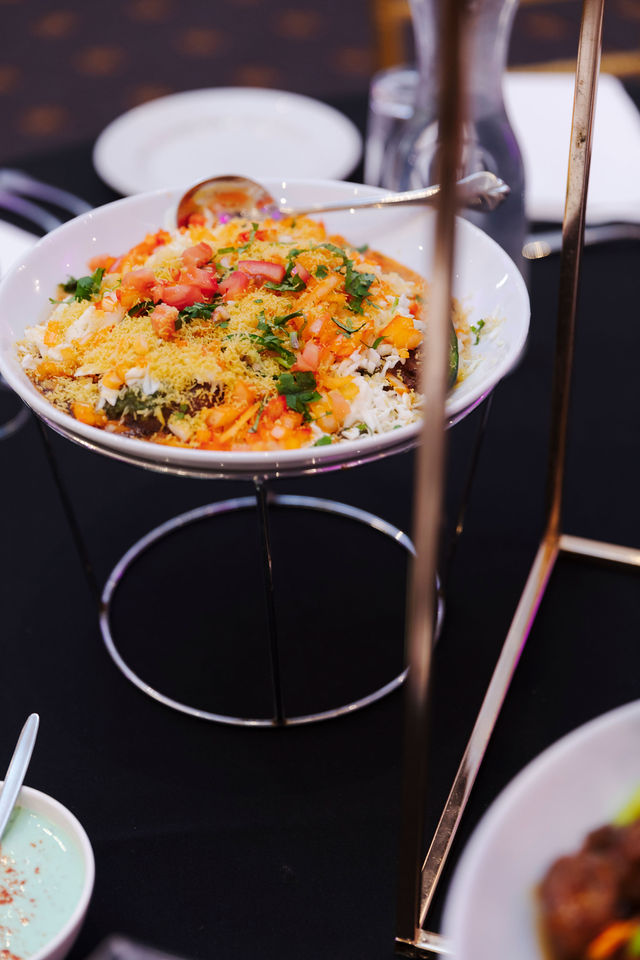
Vegetarian Mains
Paneer Balti Masala, Aloo Gobi, Palak Aloo, Tofu Masala, Vegan Butter Chicken
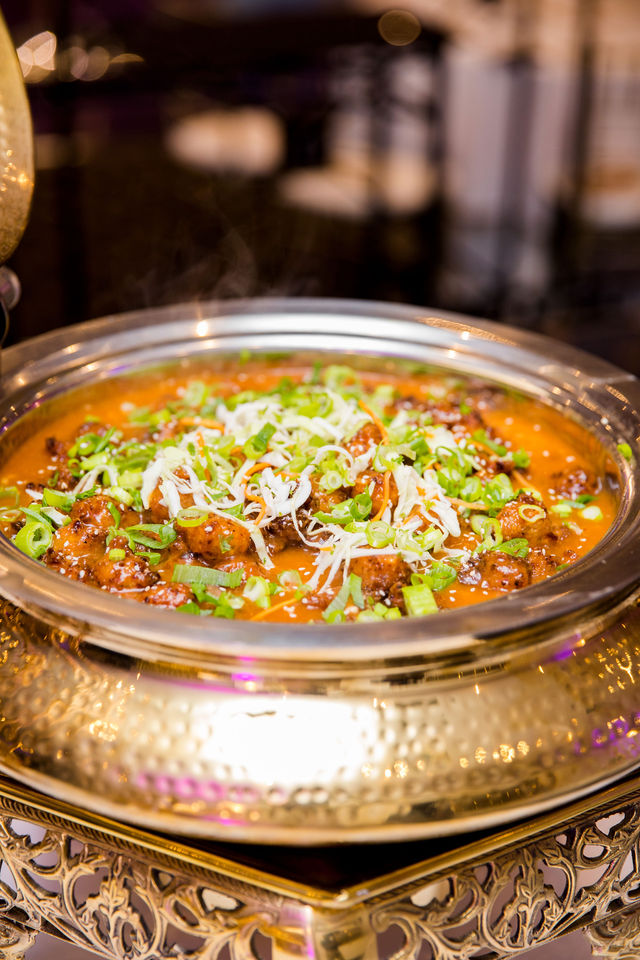
Meat and Seafood Mains
Chicken Madras, Murg Kali Mirch, Lamb Korma, Mutton Curry, Smoky Salmon
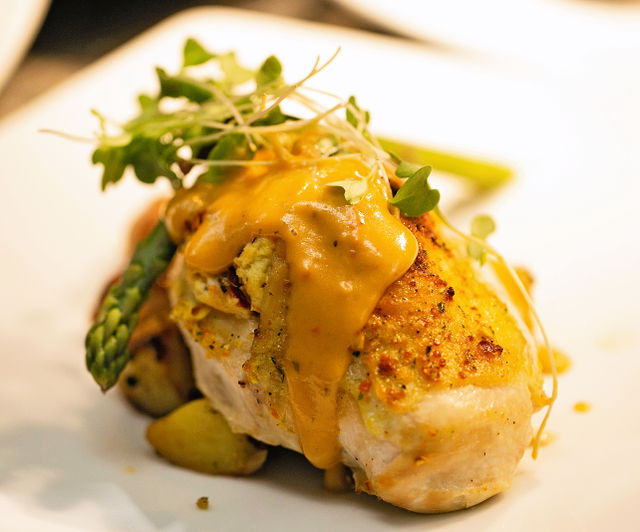
Rice, Breads and Sweets
Veg Biryani, South Indian Rice, Cheese Naan, Lachaa Prantha, Coconut Kulfi
A starting point, not a fixed list. Swap any dish at no extra charge — the menu is built around your guest list, your budget and the dietary needs in the room.
Choosing the right catering format for your occasion
If you are not sure which format fits, start with two numbers and one fact: how many guests, how long the event runs, and whether people will be seated or standing. Standing events of two hours or less work well on roaming canapes and a station. Seated events with speeches need a buffet or plated service held to a timeline. All-day events — weddings, conferences, community festivals — usually need more than one service, which means crew on site rather than a drop-off.
The venue then narrows it further. A room with a commercial kitchen opens up plated service. A hall with a domestic kitchen points to buffet and live stations. An outdoor site with no power points to transported hot food and charcoal. A CBD office with a goods lift points to drop-off with chafers. Tell us the site and the occasion in your first message and we will come back with the formats that are genuinely realistic there, before you spend time comparing menus you may not be able to serve.
Event Types Compared By Lead Time And Structure
Each event type behaves differently once numbers grow, so this is how the five main categories compare on the planning decisions that matter.
| Event type | Typical lead time | Usual duration | Key planning constraint |
|---|---|---|---|
| Weddings | 9—18 months | 6—8 hours | Peak Saturdays commit earliest |
| Corporate functions | 4—10 weeks | 2—4 hours | Venue access and building rules |
| Birthdays and milestones | 6—12 weeks | 4—5 hours | Guest list keeps moving late |
| Engagements and cultural ceremonies | 3—9 months | 4—6 hours | Ritual timings drive the run sheet |
| Memorials and wakes | 2—10 days | 2—3 hours | Short notice and uncertain numbers |
| Community and festival events | 2—6 months | 4—8 hours | Council permits and public access |
Choosing The Wrong Event Format For Your Occasion
Copying a format from another event
A buffet that worked at a 120-guest birthday does not translate to a 400-guest wedding with ceremony timings and speeches. Format follows guest count, room shape and how long people are seated. Start from those three facts rather than from an event you attended. The menu is the easy part and should be decided last.
Mismatching venue size to guest count
A room rated for 400 feels empty at 180 and the energy never lifts. The same room at 390 leaves no space for a serving line or a dance floor. Aim for roughly 70 to 85 percent of stated capacity once catering, staging and circulation space are accounted for, and ask what the capacity figure assumes.
Forgetting the arrival hour
Guests land across a 30 to 45 minute window and most plans give them nothing to do. That dead time sets the tone for the whole event. Allocate arrival drinks, roaming food or a grazing point, and give staff a clear instruction on when it opens and closes so it does not blur into the main service.
Planning the run sheet without the kitchen
Ceremony overruns, late speeches and a long photo session all push food back, and a kitchen only absorbs so much. Share a draft run sheet with the caterer early and ask where the pressure points are. They will tell you which thirty minutes cannot move and which can, which is more useful than any template timeline.
Get An Itemised Quote Within 24 Hours
Six details is all we need to start. No deposit, no obligation, and we will not add you to a mailing list.


