
Melbourne Catering Across Every Cuisine
One kitchen, eight cuisines. Tandoori Flames caters authentic Indian, Sri Lankan, Vietnamese, African, Islander, Greek, Italian and Middle Eastern menus for weddings, corporate events and celebrations across Melbourne.
One Kitchen, Eight Cuisines, No Approximations
Most Melbourne caterers do one cuisine well and fake the rest. We cook eight properly — Indian, Sri Lankan, Middle Eastern, Vietnamese, Greek, Italian, African and Samoan — from a single production kitchen, which is what makes mixed menus work.
That matters most at weddings where two families eat differently. Instead of hiring two caterers and hoping the service lines up, you get one team building one coherent spread where both sides recognise food from home.
Vegetarian, vegan and gluten-free run through every cuisine as standard. Halal-certified meat is available on request.
- Eight cuisines from one kitchen
- Mixed and fusion menus
- Live stations across most cuisines
- Vegetarian, vegan and gluten-free as standard
- Halal certification on request
- Tastings across multiple cuisines
Pick A Cuisine, Or Combine Two
All cooked in one South Kingsville production kitchen by chefs who know the cuisine rather than approximating it.
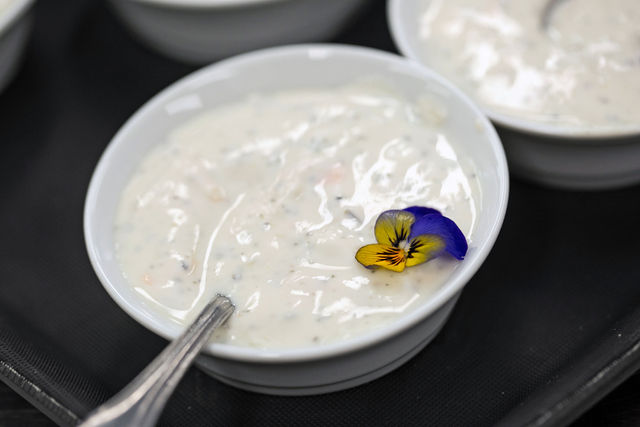
Indian Catering
Butter chicken, biryani and tandoor, with a genuinely generous vegetarian spread.
Explore menu →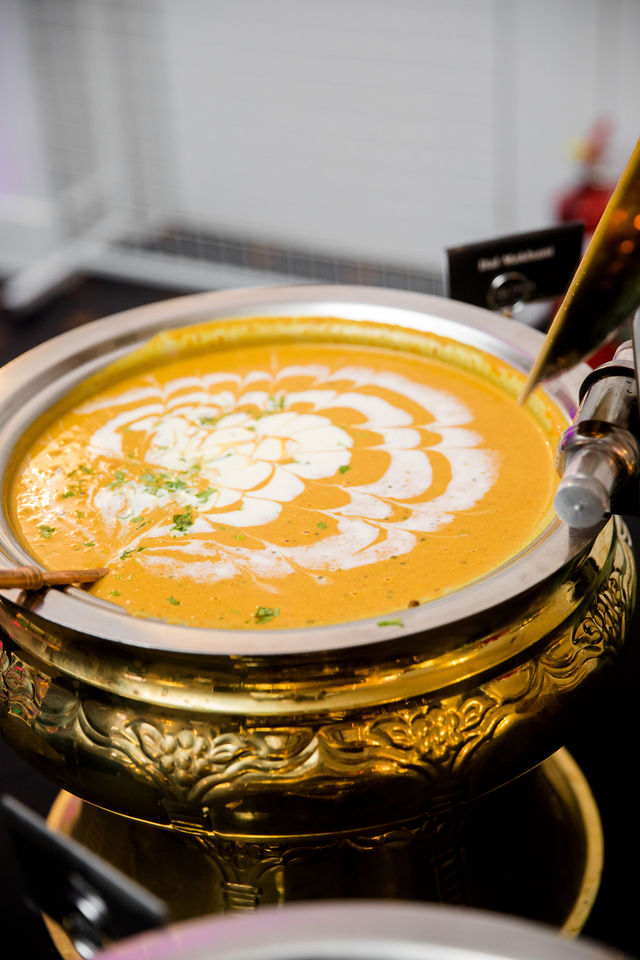
Sri Lankan Catering
Black pork curry, hoppers, dhal and sambols cooked the traditional way.
Explore menu →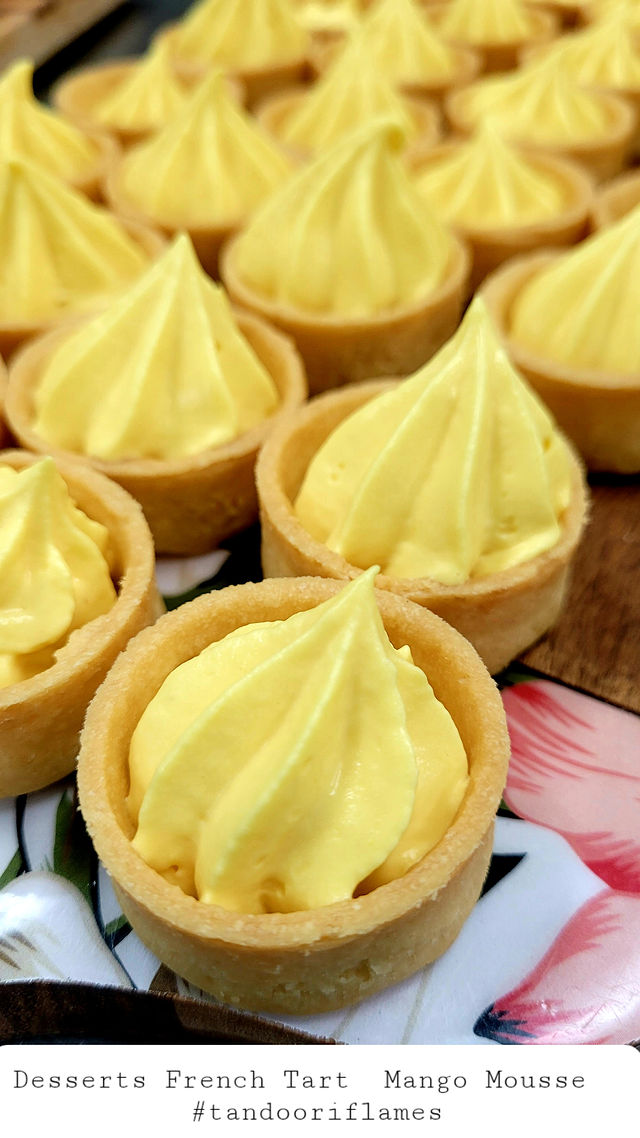
Middle Eastern Catering
Charcoal-grilled meats, mezze platters and halal-certified menus.
Explore menu →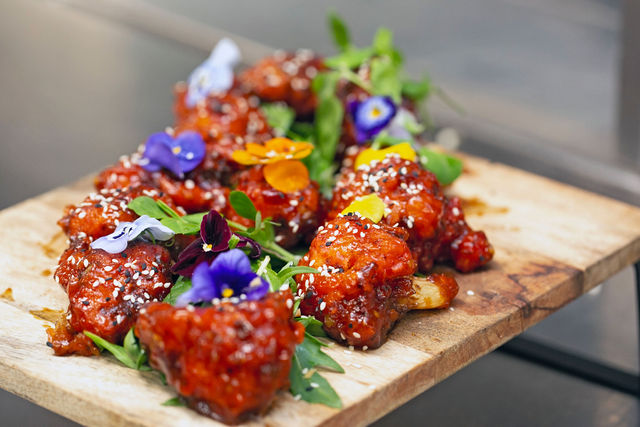
Vietnamese Catering
Rice paper rolls, banh mi, pho and lemongrass skewers.
Explore menu →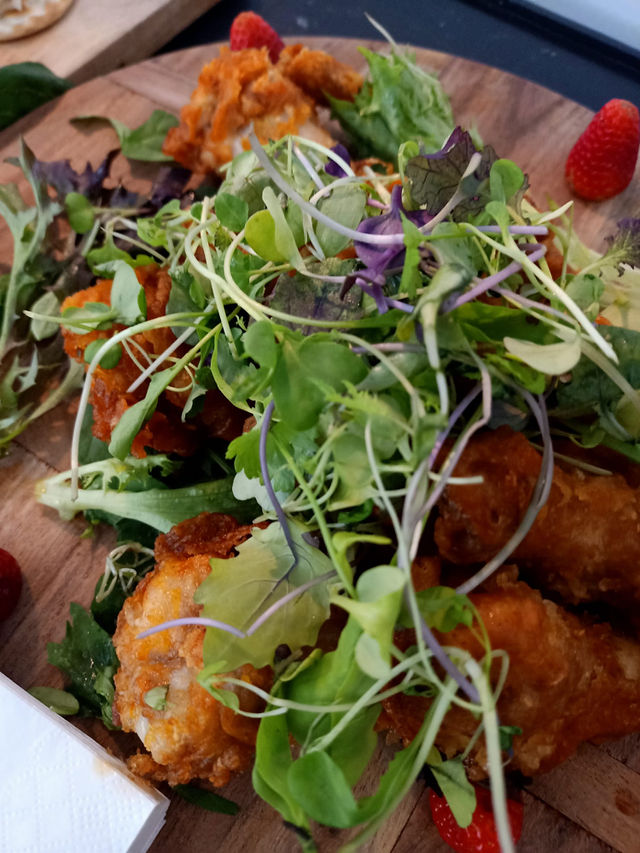
African Catering
Jollof rice, suya-spiced grills and slow-cooked stews.
Explore menu →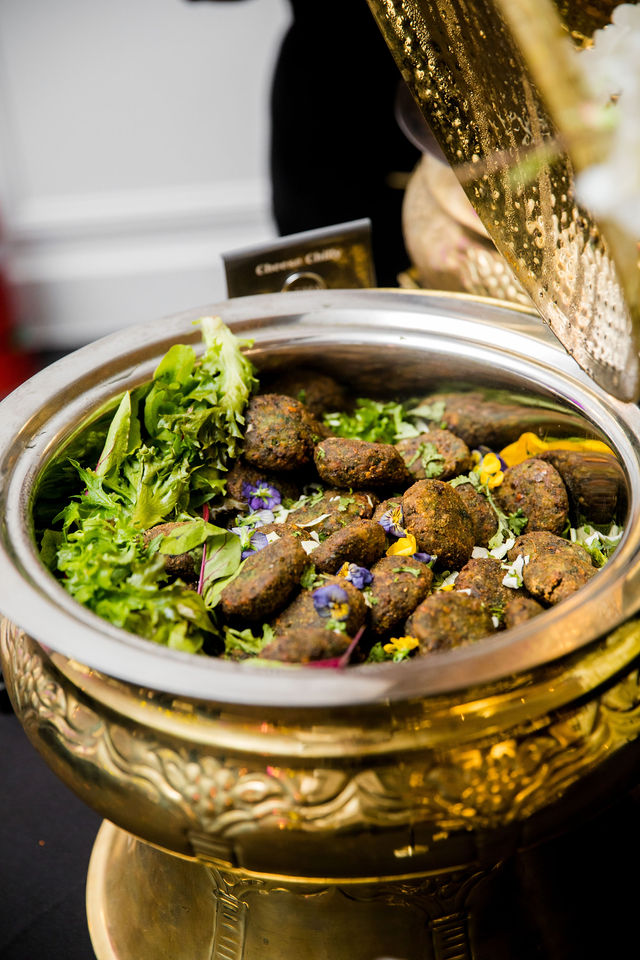
Greek Catering
Souvlaki, moussaka, saganaki and generous mezze.
Explore menu →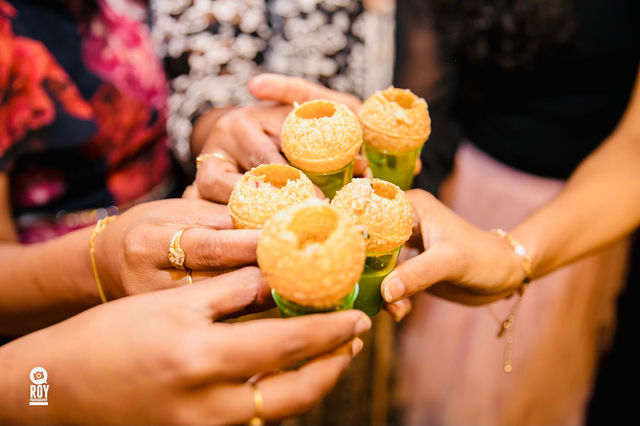
Italian Catering
Handmade pasta, antipasto boards and live pizza stations.
Explore menu →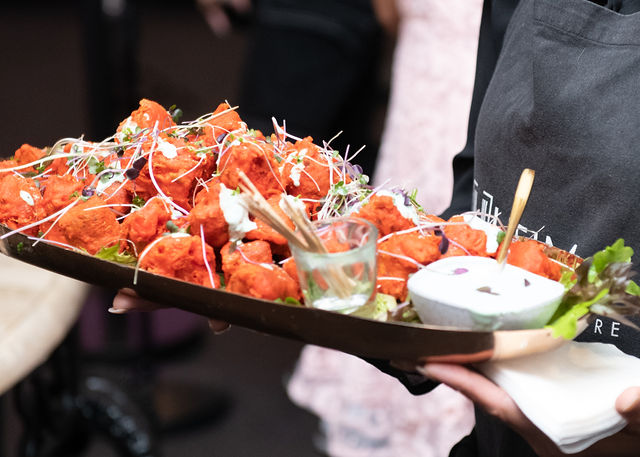
Samoan & Islander Catering
Umu-style roasts, palusami and traditional feast dishes.
Explore menu →Three Melbourne Venues Of Our Own — Or We Come To Yours
Tandoori Flames is a catering company first. We own and operate three event venues across Melbourne, and we also cater your event at any venue, marquee, hall, park or private home you choose.
Ultima Function Centre
Keilor East — eight event spaces and capacity to 800 guests. Catered in-house by our own team.
Visit site →Fleur Weddings & Events
Fawkner — a glamorous single-room reception for up to 400 guests. Catered in-house by our own team.
Visit site →Amora
Melbourne — our third event space, for clients who want a hotel-grade setting. Catered in-house by our own team.
Melbourne-Wide, From Our South Kingsville Kitchen
Our production kitchen is in South Kingsville and our vans go everywhere — the inner west, the CBD, the bayside suburbs, the north and the outer west. Any delivery charge is quoted up front, never added later.
South Kingsville · Williamstown · Newport · Yarraville · Altona North · Point Cook · Hoppers Crossing · Tarneit · West Footscray
Cuisine choice in Melbourne often follows the guest list’s geography. Events in Point Cook, Tarneit, Truganina and Wyndham Vale usually have large Indian and Sri Lankan contingents, so a North or South Indian base makes sense. Functions around Williamstown, Yarraville and Newport tend to have mixed-background guest lists where a Mediterranean base with an Indian feature section works better. Dandenong and Springvale events frequently need halal handled properly as a default, not an add-on. We cater across all of these from our South Kingsville kitchen, and the drive time shapes how much live cooking we can run on site.
Our Cuisines — Your Questions Answered
Eight: Indian, Sri Lankan, Middle Eastern, Vietnamese, Greek, Italian, African and Samoan/Pacific Islander. All from one production kitchen in South Kingsville, cooked by chefs who know the cuisine rather than approximating it.
Yes, and plenty of clients do. We group stations so each cuisine reads as a coherent offering rather than a buffet of unrelated dishes.
Indian remains our largest by volume, but mixed menus are growing fastest — Indian with Sri Lankan, or Indian with Middle Eastern, for weddings where the two families eat differently.
Yes. Every cuisine page lists vegetarian and vegan dishes, and they are part of the standard menu rather than a surcharge.
Halal-certified meat is available on request for any cuisine. Tell us at enquiry and we will confirm certification details in writing.
Yes, and we ask about it at menu stage. We generally build a spread with a range so guests who want heat and guests who do not are both looked after.
For several — tandoor grill for Indian, charcoal shawarma for Middle Eastern, rice-paper-roll bar for Vietnamese, dosa and chaat stations, and live pizza for Italian.
Start with your guest list rather than your own preference. We will ask who is coming, what they are used to, and what the occasion calls for, then recommend accordingly.
Ask us. We will either tell you honestly that it is outside what we do well, or propose something close that we can genuinely execute.
Yes, and for mixed-menu weddings we recommend it. It is easier to decide how two cuisines sit together when you are tasting them side by side.
Every menu on these pages is a starting point. Final menus are built around your guest count, budget, dietary needs and the service style you choose.
Indian, Sri Lankan and Middle Eastern all scale well because the dishes hold temperature and serve quickly. For 300-plus guests we will steer you towards dishes that stay excellent through a long service window.
Yes, two cuisines on one buffet is one of our most common requests. We run separate serving sections with their own gear and labelling so each cuisine stays distinct. The usual split is one lead cuisine with full depth and a second that covers the guests the first one misses, rather than two half menus sitting side by side.
North Indian with the heat dialled back works best for a mixed Indian and Australian crowd. Butter Chicken, Malai Chicken Tikka and Dal Makhani read as familiar to guests new to Indian food, while Lamb Rogan Josh and a biryani keep the Indian guests happy. Add Green Salad and a mild rice and the room is covered.
Around ten to fourteen dishes total is the right range for 200 guests. That is typically four entrees, four to five mains split between vegetarian and meat, two rice options and two breads, plus condiments. More dishes than that and guests take smaller amounts of everything, which drives up waste without improving the meal.
Yes. Alongside Indian we cook Sri Lankan, Greek, Italian, Middle Eastern, Vietnamese, African and Samoan menus from our South Kingsville kitchen. Each has its own page with sample menus. We built the range because Melbourne events are rarely single-culture, and sending guests to two separate caterers creates more problems than it solves.
Vegetarian is part of the main menu, built in from the start. Every buffet we quote includes vegetarian mains, entrees and sides as standard, served from their own section of the line with dedicated utensils. For guest lists that are majority vegetarian we simply shift the ratio rather than treating it as a special request.
A chaat station is the strongest choice for a mixed crowd because it is vegetarian, interactive and easy to explain. Guests build their own Bhel Puri or Dahi Puri, which gets people talking across tables. A rice-paper-roll bar is the lighter alternative, and a live tandoor station suits rooms where the Indian guests dominate.
Yes, and the way to do it is to give each cuisine its own section rather than mixing dishes side by side. We separate the serving line so one end is clearly one cuisine and the other end is the second, with shared sides in the middle. Guests understand it immediately and the food holds its own identity instead of blurring.
Two cuisines is the practical limit for most events. Three is possible above roughly 250 guests, where the line is long enough to carry the extra sections. Below that, three cuisines means tiny portions of everything and a kitchen stretched across too many techniques. Two done properly reads as generous. Three done thinly reads as indecisive.
Mediterranean or modern Australian as the base with Indian as the feature section works best. Guests get something recognisable on the plate first, then try the Indian dishes with less hesitation. We also keep breads, rice and a mild gravy in the Indian section so the step across is small. Most people end up eating from both sides.
Yes. Daytime functions take lighter cuisines well, so South Indian, Mediterranean and grazing-style menus suit a lunch or morning event. Evening functions carry richer North Indian and Indo-Chinese menus better, especially when guests have been drinking. The same guest list eats quite differently at midday than at nine at night, so the menu should reflect that.
North Indian and South Indian both do this well in a single menu. Most of the vegetarian range is already vegan or close to it, and the meat dishes can be sourced halal without changing the recipe. That means one coherent menu instead of three parallel ones. Mediterranean also handles all three, with salads and grills doing most of the work.
It helps but it is not a rule. A formal ballroom carries plated Indian or Mediterranean service well, while an outdoor or marquee event suits buffet and live stations better. The bigger constraint is the kitchen and power available on site. We check that before confirming a cuisine that needs live cooking, because some venues cannot support a tandoor.
Eight Cuisines, One Kitchen, One Guest List
Choosing a cuisine gets harder when the guest list is mixed. Half the room wants Punjabi curries and tandoor. The other half wants something milder, or Greek, or Sri Lankan, or Vietnamese. We cook eight cuisines out of our South Kingsville kitchen, so you are not forced to pick one and apologise to everyone else. This hub page is the starting point. Each cuisine below has its own page with sample menus, service styles and the questions people ask most.
The practical question is not which cuisine is best. It is which combination feeds 200 or 500 people without the buffet turning into a confused mess. We help you work that out. Usually it means one lead cuisine with real depth, plus a second that covers the guests the first one misses. Spice levels get split. Vegetarian is built in from the start, not added at the end. Dietary needs are tracked by name, not guessed at on the day.
Tandoori Flames MelbourneTalk To A Human
Call 0401 338 005 any day between 9am and 8pm, or send the form and we will come back within 24 hours.
Get An Itemised QuoteHow To Narrow Eight Down To Two
Start with the majority
Count the guests who will judge the food hardest. If sixty per cent are North Indian, Indian leads and everything else supports it. That single decision settles the rice, the breads and the gravy count, and makes the rest of the menu much easier to lock in.
Cover the quiet eaters
Every mixed room has guests who will not touch chilli. Kids, older relatives, colleagues trying Indian food for the first time. Dishes like Butter Chicken, Malai Chicken Tikka and Methi Malai Matar carry flavour without heat, so nobody leaves hungry or embarrassed.
Pick one live station
One live station does more for a mixed crowd than three extra curries. A chaat station, a dosa station or a rice-paper-roll bar gives guests something to watch and talk about, and it breaks the ice between two families who have never met.
A Mixed-Cuisine Buffet That Actually Works
This is a sample build for a mixed guest list of roughly 200, with Indian leading and a lighter second cuisine running alongside it on the same line.
Canapes and Finger Food
Veggie Samosa, Haryali Tikki, Chicken 65, Veg Spring Rolls, Calamari Pakoras
From The Tandoor
Paneer Tikka, Chicken Reshmi Kebab, Tandoori Mushroom, Seekh Kebab, Fish Tikka
Mains Across Both Cuisines
Butter Chicken, Dal Makhani, Kadahi Paneer, Lamb Rogan Josh, Tofu Masala
Rice, Breads and Sides
Chicken Biryani, Saffron Rice, Garlic Naan, Raita, Green Salad
A starting point, not a fixed list. Swap any dish at no extra charge — the menu is built around your guest list, your budget and the dietary needs in the room.
What Changes When You Serve Two Cuisines
Two cuisines means two sets of serving gear, two labelling systems and a longer buffet line. We plan the line so vegetarian sits first and separate, with its own tongs and its own chafers. Cross-contact is the thing families worry about most and it is handled by layout, not by goodwill. Where a venue has one kitchen and a tight service window, we stagger the two cuisines across entree and main rather than putting everything out at once. That keeps the hot food hot and stops guests queueing in one spot.
Staffing scales with the number of cuisines, not just the headcount. A 300-guest single-cuisine buffet needs fewer hands than a 200-guest two-cuisine buffet with a live station. We quote staff accordingly and tell you upfront. Site visits matter here. We check power, access, bench space and where the bins go. At our own venues in Keilor East and Fawkner we already know all of that, which shortens the planning considerably. For external venues across the inner west and beyond, we walk the room first.
Which Cuisine Suits Which Event And Guest List
Use this to narrow the shortlist fast, matching cuisine to the kind of event you are running and the dietary load you expect.
| Cuisine | Best suited to | Dietary strength | Service format that works best |
|---|---|---|---|
| Punjabi & North Indian | Weddings, engagements, Diwali functions, large family events | Deep vegetarian range, easy halal, strong vegan options | Buffet or live tandoor station |
| South Indian | Breakfast functions, naming ceremonies, temple events, morning prayer gatherings | Naturally vegetarian, mostly gluten-free, satvik-friendly | Live dosa station or plated thali |
| Indo-Chinese | Birthdays, corporate functions, mixed younger guest lists, cocktail hours | Vegetarian and vegan easy, nut-light by default | Roaming canapes or a wok station |
| Sri Lankan & Tamil | Cultural functions, community dinners, memorial gatherings | Coconut-based curries suit dairy-free guests | Buffet with rice and string hopper options |
| Mediterranean & Middle Eastern | Corporate catering, engagements, mixed-faith events, grazing-style receptions | Halal-friendly, strong salads, low-spice baseline | Grazing table or shared platters |
| Australian & modern mixed | Workplace functions, school events, sporting clubs, mixed-background crowds | Familiar neutral base for guests new to spice | Plated service or set menu buffet |
Four Cuisine Choices That Backfire On Mixed Guest Lists
Picking only your own cuisine
Hosts often order entirely from their own background and forget half the room has never eaten it. Guests then pick at rice and leave hungry. Keep your cuisine as the main body of the menu, then add two or three familiar items so nobody is stuck. A small neutral addition costs you very little and removes the problem.
Treating spice as one setting
Spice is not a single dial. Heat, oil and the depth of the masala are three separate things, and dropping all three makes food taste flat. Ask for the heat lowered but the flavour kept, and have a hotter side condiment available. Guests who want more can add it themselves at the buffet.
Ordering too many mains
Six mains across two cuisines sounds generous but it slows the line, splits the portions and leaves a lot of untouched food. Four well-chosen mains with strong sides serve a crowd better. Depth on breads, rice and accompaniments does more for the guest experience than another curry nobody reaches.
Leaving the cuisine call too late
Locking the cuisine two weeks out limits what we can source and how many chefs we can roster for live cooking. Specialty items, particular cuts and tandoor work all need lead time. Decide the cuisine direction early, even if the exact dishes shift later. The dish list can move; the cuisine shape should not.
Get An Itemised Quote Within 24 Hours
Six details is all we need to start. No deposit, no obligation, and we will not add you to a mailing list.


