
Multicultural Catering Melbourne
Diwali, Eid, Vaisakhi and cultural festivals catered with genuine understanding of tradition, ritual timing and dietary observance — not a generic buffet with a themed name.
Caterers For Rooms Where Everyone Eats Differently
Melbourne weddings and celebrations rarely have one guest list any more. Two families, three generations, a dozen dietary requirements and a room where half the guests grew up with one cuisine and half with another. We cook across eight cuisines from one kitchen — Indian, Sri Lankan, Middle Eastern, Vietnamese, Greek, Italian, African and Samoan — which means a mixed menu is designed as one coherent spread rather than stitched together from two caterers. Halal-certified meat on request, genuinely generous vegetarian and vegan sections, and clear labelling so no guest has to ask.- Eight cuisines from one kitchen
- Mixed-heritage wedding menus
- Halal certification on request
- Vegetarian, vegan, Jain and allergy-aware
- Diwali, Eid, Vaisakhi and festival catering
- Separate prep and serving where required
Cuisines We Combine
A starting point, not a fixed list. Every menu is built around your guest list, your budget and the dietary needs in the room.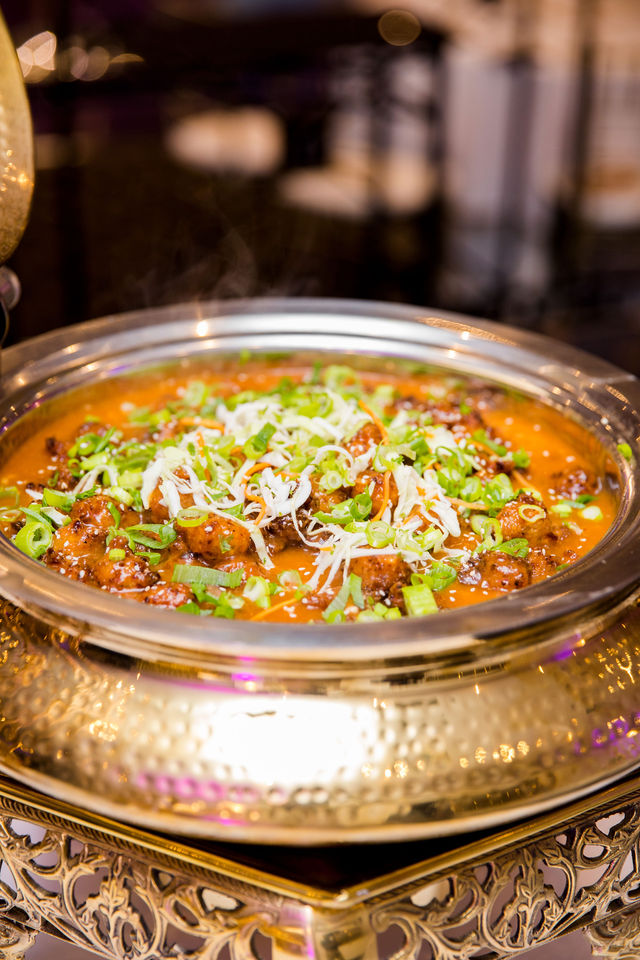
South Asian
Butter chicken, Hyderabadi biryani, Black pork curry, Hoppers, Dal makhani, Paneer tikka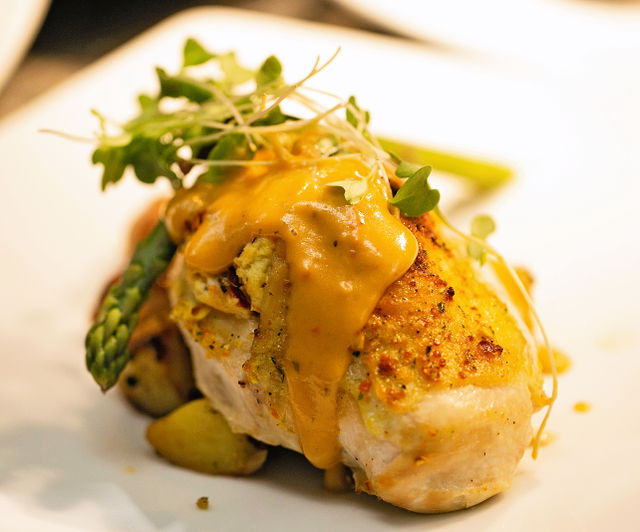
Middle Eastern
Charcoal shawarma, Lamb kofta, Mezze platters, Hummus & labneh, Tabbouleh, Baklava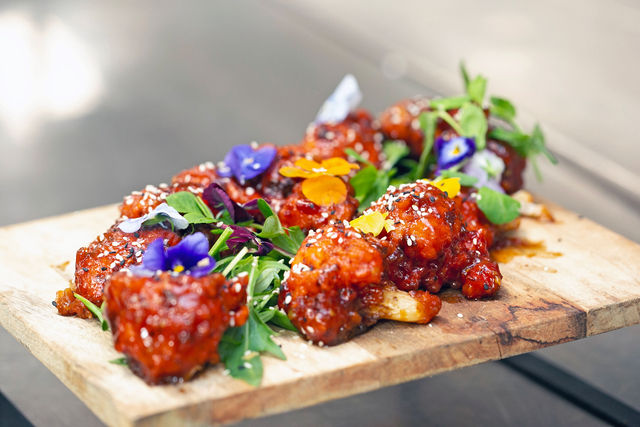
South-East Asian
Rice paper rolls, Lemongrass skewers, Pho station, Banh mi bar, Nasi goreng, Satay
Mediterranean & Pacific
Souvlaki, Moussaka, Handmade pasta, Antipasto, Umu-style roast, PalusamiThree Melbourne Venues Of Our Own — Or We Come To Yours
Tandoori Flames is a catering company first. We own and operate three event venues across Melbourne, and we also cater your celebration at any venue, marquee, hall, park or private home you choose.Ultima Function Centre
Keilor East — eight event spaces and capacity to 800 guests. Catered in-house by our own team. Visit site →Fleur Weddings & Events
Fawkner — a glamorous single-room reception for up to 400 guests. Catered in-house by our own team. Visit site →Amora
Melbourne — our third event space, for clients who want a hotel-grade setting. Catered in-house by our own team.Melbourne-Wide, From Our South Kingsville Kitchen
Our production kitchen is in South Kingsville and our vans go everywhere — the inner west, the CBD, the bayside suburbs, the north and the outer west. Any delivery charge is quoted up front, never added later.
South Kingsville · Williamstown · Newport · Yarraville · Altona North · Point Cook · Hoppers Crossing · Tarneit · West Footscray
Mixed-culture events are the norm across much of Melbourne’s west and north. We cater Indian and Italian pairings around Yarraville, Newport and Williamstown, Indian and Middle Eastern menus through Sunshine, Footscray and West Footscray, and Sri Lankan and Tamil combinations out in Point Cook, Tarneit and Wyndham Vale. Dandenong and Springvale functions often need two cuisines plus halal sourcing across both. Our three venues help here: Ultima Function Centre in Keilor East has the space to run two full service lines, and Fleur Weddings & Events in Fawkner suits smaller mixed-family receptions.
Multicultural Catering — Your Questions Answered
We build one buffet with distinct zones so each cuisine keeps its own identity and serving gear. The planning starts by asking both families which specific dishes matter to them, then we design around those rather than averaging the two cuisines. Both sets of relatives should recognise their own food on the table.
Yes, Indian paired with a second cuisine is our most requested multicultural setup. Common pairings are Indian with Greek, Italian, Sri Lankan, Middle Eastern or Vietnamese. We cook both from our own kitchen, so there is one delivery, one setup and one coordinator rather than two catering teams negotiating over the same service window.
A two-cuisine menu needs more serving gear and more staff than a single-cuisine buffet of the same size, so the service side is heavier. It does not require twice the food. We keep the total dish count sensible and split it across both cuisines rather than running two full menus in parallel.
Clear zoning and plain-language labels, plus staff stationed on the line to explain dishes. Each cuisine sits in its own section with its own utensils, and vegetarian always comes first. For guests trying a cuisine for the first time, having someone to ask makes far more difference than a printed menu card.
Yes. We split heat across the menu rather than compromising on a single middle level. Dishes like Chicken Madras and Lamb Vindaloo carry the heat for guests who want it, while Butter Chicken, Malai Chicken Tikka and Methi Malai Matar stay mild. Labels mark which is which so guests choose for themselves.
Yes, we cater engagements, mehndi and sangeet nights, tea ceremonies and family dinners ahead of the wedding. These smaller functions are often where two families eat together for the first time, so the menu does real work. Live stations suit them well because they keep guests moving and talking rather than seated in two camps.
We ask each side for its non-negotiable dishes first, usually three or four each, then build the rest of the menu around that list. Those core dishes are what people notice are missing. Everything else can be balanced for variety and cost. Having both sides name their list in writing, early, settles most of the discussion before menu tasting.
No. We roster chefs by speciality, so the Indian section is cooked by chefs who work in that cuisine daily and the second cuisine is handled by chefs trained in it. That is the main reason a two-cuisine menu holds up. Food cooked by someone working outside their speciality tastes approximate, and guests from that background notice immediately.
Yes, and it often works better than splitting one buffet. Serve one cuisine during the canape or arrival period and the other for the main service, or run one cuisine for a daytime ceremony and the other for the evening reception. It gives each cuisine a proper moment instead of competing with the other at the same table.
Usually yes. Two sections means two replenishment points, more labelling to maintain and often two separate service lines to keep queues moving. We also allocate staff to answer dietary questions, which comes up far more at mixed events. We work the staffing out from the guest count and the layout, and will tell you if your plan needs an extra pair of hands.
Separate preparation, separate equipment and separate serving utensils, with physical distance on the serving line. In practice, the cleanest approach at mixed events is to source all meat halal so the question does not arise. Where that is not possible, we keep non-halal items at the far end with their own tongs and clear labelling, and brief staff not to swap utensils.
We cook to the milder level and provide heat separately. Chutneys, pickles and a hot condiment on the side let guests who want more add it, which works better than cooking two versions of the same dish. For a few signature items we will do a hotter batch and label it clearly. That covers both groups without doubling the kitchen’s workload.
When Two Families Bring Two Food Cultures
Mixed-culture weddings are normal in Melbourne now. A Punjabi groom and a Greek bride. A Sri Lankan family marrying into an Italian one. Vietnamese parents hosting an engagement for a half-Indian couple. The catering question is always the same: how do you feed both sides properly without the whole thing reading as a compromise. We do this constantly, and the answer is structure rather than volume.
A multicultural buffet is not two menus printed on one card. It is one line, planned end to end, where each cuisine gets the dishes it is actually known for and nothing is diluted to meet in the middle. We sit down with both families, work out what each side expects to see on the table, then build a menu where neither set of relatives walks away saying the food was not really theirs. That conversation is usually the most useful hour of the planning process.
 Tandoori Flames Melbourne
Talk To A Human
Call 0401 338 005 any day between 9am and 8pm, or send the form and we will come back within 24 hours.
Get An Itemised QuoteWhy Two Cuisines Beats One Compromise
Both families recognise the table
Guests look for one or two specific dishes that mean home. Finding them matters more than the total dish count. We ask both families to name those dishes, then we make sure they are on the line and cooked properly rather than approximated.
No fusion where it is not wanted
We do not blend two cuisines into one dish unless you ask for it. Greek lamb stays Greek. Lamb Rogan Josh stays Punjabi. Keeping them side by side and distinct reads as generous. Merging them usually reads as a caterer cutting corners.
One kitchen, one point of contact
Two caterers means two arrival times, two setups and two people blaming each other when service runs late. Everything comes out of our South Kingsville kitchen under one run sheet, with one coordinator on site answering to you.
Sample Build For A Two-Culture Reception
This is how a 250-guest mixed Punjabi and Mediterranean reception typically looks, with both cuisines holding their own identity across the buffet.
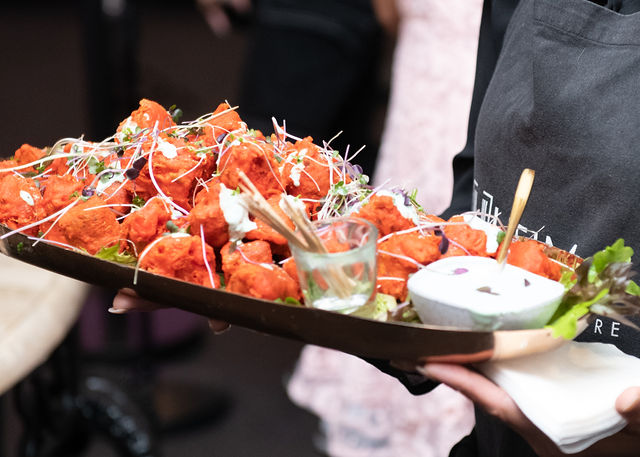
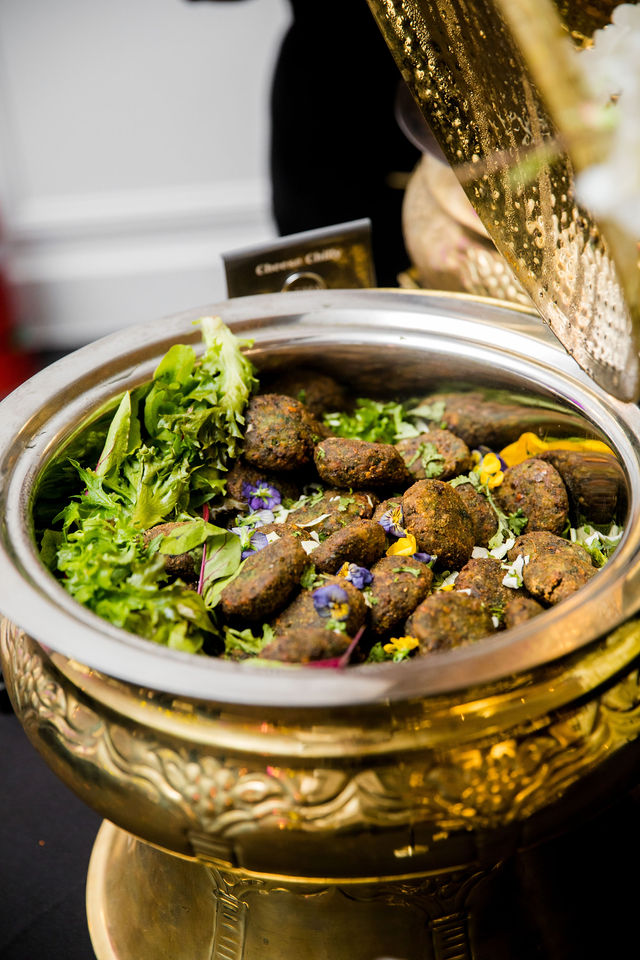
Roaming Canapes
Veggie Samosa, Chicken 65, Calamari Pakoras, Haryali Tikki, Veg Spring Rolls
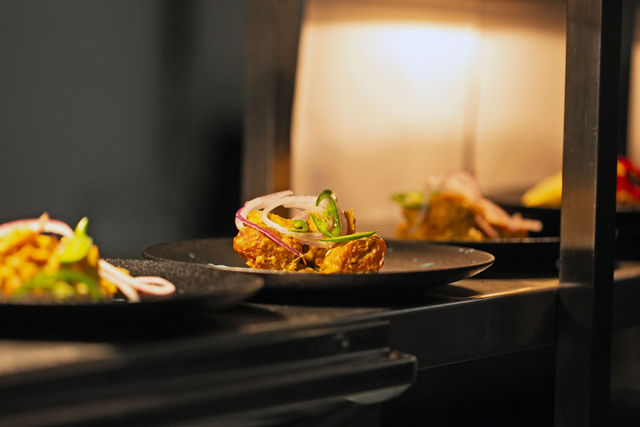
Grill and Tandoor
Chicken Tikka, Seekh Kebab, Tandoori Lamb Chops, Paneer Tikka, Tandoori Prawns
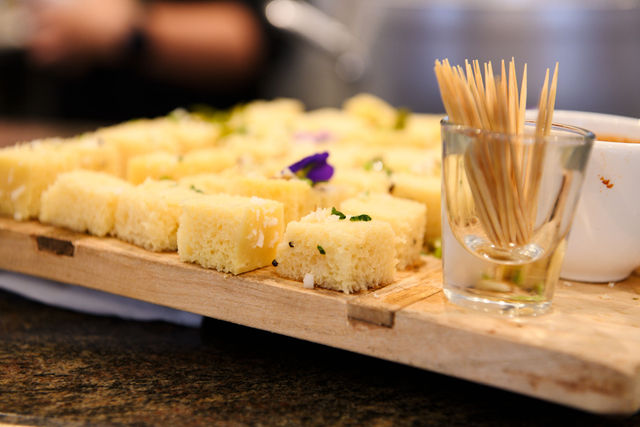
Shared Mains
Butter Chicken, Lamb Rogan Josh, Saag Paneer, Dal Makhani, Chicken Korma
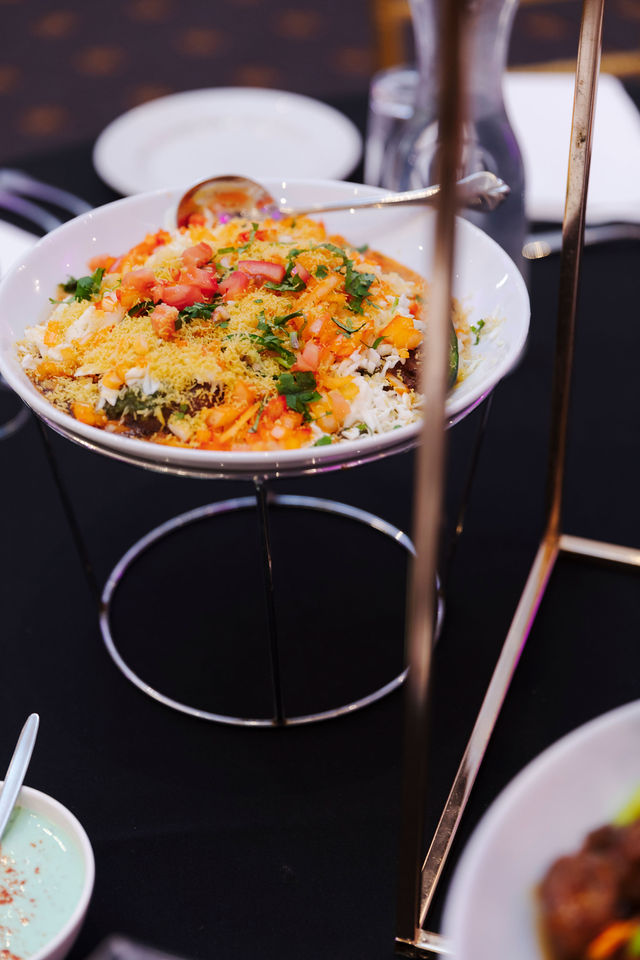
Rice, Bread and Sweets
Lamb & Goat Biryani, Coconut Rice, Plain Naan, Pista Kulfi, Ice Cream Platter
A starting point, not a fixed list. Swap any dish at no extra charge — the menu is built around your guest list, your budget and the dietary needs in the room.
Running One Buffet For Two Guest Cultures
We plan the line in zones. Vegetarian first, then the cuisine with the larger guest share, then the second cuisine, then rice and breads, then condiments. Zoning stops the bottleneck that forms when a popular dish sits in the middle of the run. Labelling is done in plain language with the dietary markers guests actually need, including vegetarian, vegan, contains nuts and halal where relevant. For rooms where one side of the family has never eaten the other side’s food, we brief our staff to explain dishes at the line. That one detail changes how the night feels.
Timing is the other half of it. Mixed weddings often have two ceremony traditions, which stretches the day and pushes dinner later than planned. We build buffer into the run sheet and hold food correctly rather than putting it out early and letting it sit. Where there are speeches from both families, we serve around them instead of competing with them. At Ultima Function Centre in Keilor East we can split a cocktail hour and a sit-down reception across separate spaces, which suits two-tradition events particularly well.
How Two Cuisines Share One Buffet Without Clashing
A practical guide to pairing cuisines on a single service line, and what each pairing needs to work on the night.
| Pairing | Why it works | What it needs on the night |
|---|---|---|
| Indian with Italian | Breads, rice and pasta give every guest a familiar base; both carry strong vegetarian sections | Separate serving ends so sauces do not cross over |
| Indian with Middle Eastern | Shared use of grilled meats, flatbread and yoghurt-based sides reads as one coherent table | Halal sourcing applied across both sides |
| Indian with modern Australian | Salads and grills balance richer curries, which suits mixed-age guest lists | Clear labelling, because guests graze across both |
| Sri Lankan with Mediterranean | Coconut curries and olive-oil salads both suit dairy-free guests | Two rice options rather than one shared |
| Indo-Chinese with Mediterranean | Light, fast-moving food for cocktail-style receptions and corporate events | Two shorter lines instead of one long buffet |
| Indian with Sri Lankan | Close enough to share sides, different enough that guests notice both | Distinct spice levels so they do not taste the same |
Where Mixed-Culture Menus Usually Come Unstuck
One family picks everything
At mixed-culture weddings one side often takes the whole menu decision while the other stays polite about it. The result pleases half the room. Split the menu formally: each side nominates its must-have dishes, then we balance the rest. Putting it in writing early avoids a quiet disagreement surfacing in the last fortnight before the event.
Mixing the two cuisines on one line
Alternating dishes from two cuisines along a single buffet confuses guests and causes spillover between very different sauces. It also slows the line while people hunt for what they recognise. Give each cuisine its own clearly signed section with its own breads and rice. Guests move faster and the food keeps its character.
Underestimating the vegetarian load
Mixed-culture events usually have a higher vegetarian count than the host expects, because one side of the family may be entirely vegetarian. Catering the standard ratio leaves those dishes empty within twenty minutes. Count vegetarian guests properly and we will weight the quantities accordingly, including enough vegetarian protein rather than just extra vegetables.
No labelling on the buffet
Without labels, guests who avoid beef, pork, onion or garlic for religious reasons simply skip most of the table rather than ask. We label every dish with its cuisine and its key dietary markers. At mixed-faith events this matters more than at single-culture ones, because nobody can assume what is in a dish by looking at it.
Get An Itemised Quote Within 24 Hours
Six details is all we need to start. No deposit, no obligation, and we will not add you to a mailing list.


