
African Catering Melbourne
Bold, spice-forward West and East African dishes cooked for cultural celebrations, weddings and community events across Melbourne.
Melbourne African Catering
Jollof cooked properly, suya-spiced grills, slow-cooked stews and the vegetarian dishes that most caterers skip — African catering built to the region the event belongs to, not a generic continental spread.
We cater West and East African weddings, naming ceremonies, engagements and community celebrations across Melbourne, with live suya grills available where the venue allows.
Halal-certified meat is available on request, and African wedding guest lists of 300-plus are well within what our kitchen handles.
- West and East African menus
- Live suya grill station
- Halal-certified meat on request
- Deep vegetarian repertoire
- Weddings from 50 to 500+ guests
- Naming ceremonies and community events
Sample African Catering Menu
A starting point, not a fixed list. Every menu is built around your guest list, your budget and the dietary needs in the room.
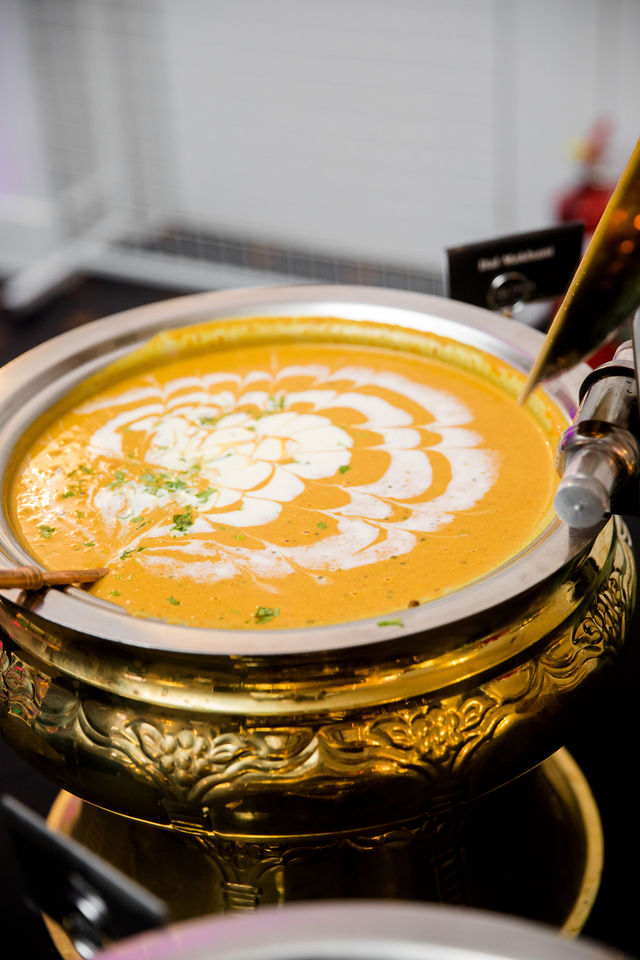
Rice & Staples
Jollof rice, Coconut rice, Fried rice, Injera, Fufu, Pounded yam
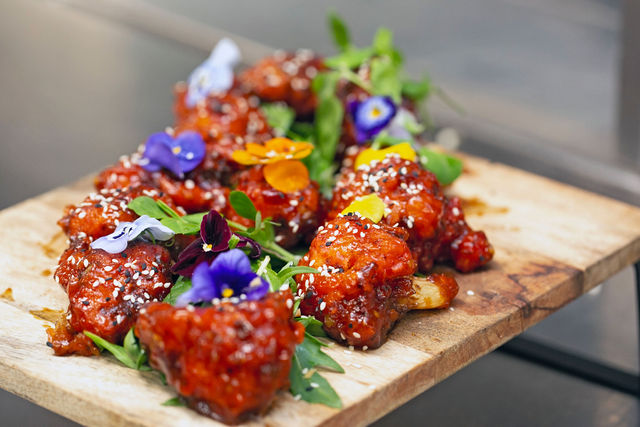
Grills & Mains
Suya skewers, Grilled tilapia, Doro wat, Egusi, Pepper soup, Goat stew
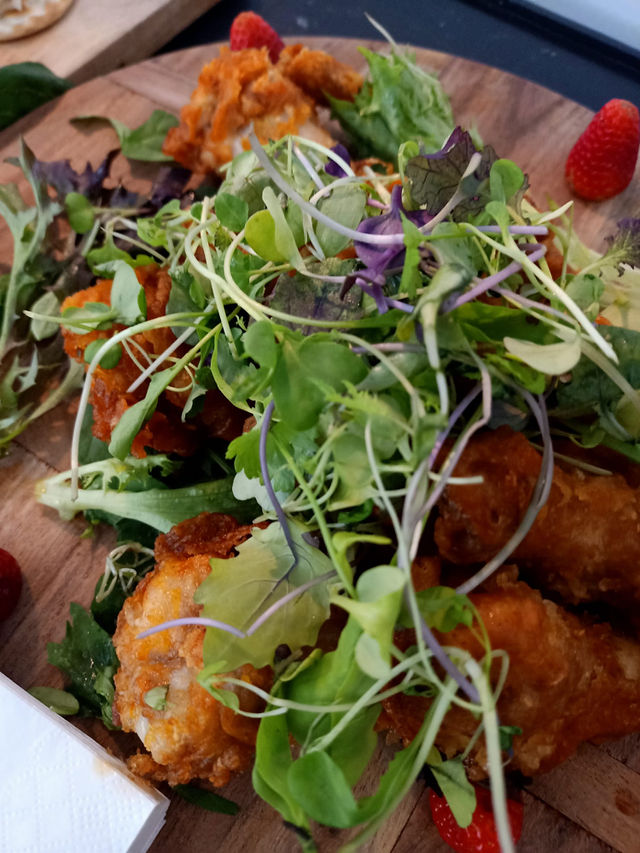
Vegetarian
Misir wat, Shiro, Gomen, Moi moi, Plantain, Vegetable stew
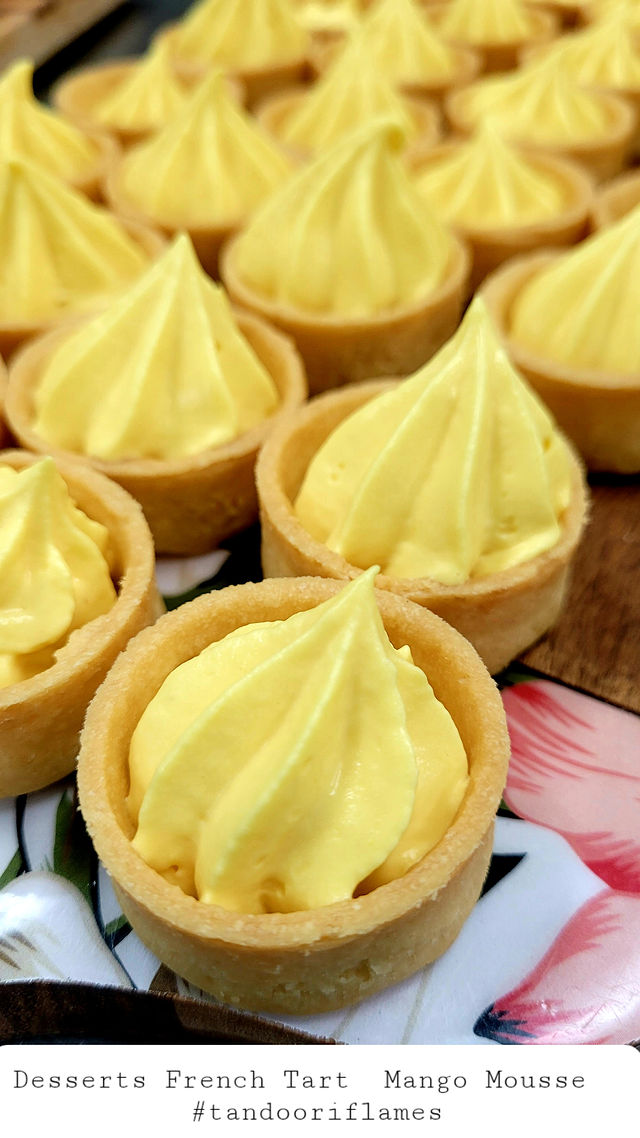
Sides & Sweets
Fried plantain, Chin chin, Puff puff, Kelewele, Salad, Fresh fruit
Three Melbourne Venues Of Our Own — Or We Come To Yours
Tandoori Flames is a catering company first. We own and operate three event venues across Melbourne, and we also cater your event at any venue, marquee, hall, park or private home you choose.
Ultima Function Centre
Keilor East — eight event spaces and capacity to 800 guests. Catered in-house by our own team.
Visit site →Fleur Weddings & Events
Fawkner — a glamorous single-room reception for up to 400 guests. Catered in-house by our own team.
Visit site →Amora
Melbourne — our third event space, for clients who want a hotel-grade setting. Catered in-house by our own team.
Melbourne-Wide, From Our South Kingsville Kitchen
Our production kitchen is in South Kingsville and our vans go everywhere — the inner west, the CBD, the bayside suburbs, the north and the outer west. Any delivery charge is quoted up front, never added later.
South Kingsville · Williamstown · Newport · Yarraville · Altona North · Point Cook · Hoppers Crossing · Tarneit · West Footscray
Melbourne’s African communities are spread across the north and west. Ethiopian and Eritrean families cluster around Footscray, West Footscray and Braybrook, with Oromo and Somali communities strong in Flemington, Sunshine, Broadmeadows and Dandenong, and growing Nigerian and Ghanaian populations in Tarneit, Point Cook and Werribee. Events run through community halls, church halls, mosque function rooms and hired council venues. Seasonality follows the community calendar: Ethiopian Christmas in January, Easter in April, Eid twice a year, plus the steady run of weddings, naming ceremonies and graduation parties through spring and summer.
African Catering — Your Questions Answered
Primarily West and East African styles — jollof rice, suya-spiced grills, egusi, slow-cooked stews, injera-based dishes and plantain. Tell us the country or region and we will build the menu to it rather than serving a generic spread.
Yes, and we take it seriously. It is the dish most guests judge an African caterer on, so we cook it properly rather than as a seasoned pilaf.
Yes — injera with doro wat, misir wat, gomen and shiro. Tell us at enquiry so we can plan the injera supply properly.
Yes, halal-certified meat is available on request for any booking and we can run an entirely halal African menu.
Substantial — misir wat, shiro, gomen, plantain, egusi made without meat, jollof, moi moi and vegetable stews. Several African traditions have deep vegetarian repertoires and we use them.
Yes, including large ones. African wedding guest lists often run well past 300, and our kitchen and service model scale to that comfortably.
Yes, as a live grill station where the venue allows. Suya cooked in front of guests is one of the strongest live options we offer.
It varies by dish and we manage it. We build a spread with a range of heat and label the hotter dishes so guests choose knowingly.
Yes. African with Middle Eastern works particularly well for mixed events, and African with Indian is a pairing we have done for several weddings.
Yes. Naming ceremonies, engagements, funerals and community celebrations are all part of what we do. Tell us what the occasion requires.
We have catered weddings well past 300 guests. Above that number we do a site visit first to plan service points and queueing properly.
Yes — chefs, wait staff, chafing dishes, crockery and cutlery. Drop-off is also available if you would rather run service yourself.
Yes, we cater Ethiopian and Eritrean weddings across Melbourne, including full injera service for large guest counts. We cook doro wot, key wot, tibs and the vegetarian wot range in-house, source injera fresh on the day, and handle communal platter layouts and hand-washing stations. We also run the coffee ceremony as a separate station if you want it.
Yes. All meat for our Somali and Eritrean menus is sourced halal, and those dishes are prepared and served on separate lines from anything non-halal. We can run an entirely halal event with no pork or alcohol anywhere in the kitchen or on the floor. Tell us at booking so we lock the sourcing in early.
We build complete vegan platters for tsom. Shiro, misir wot, kik alicha, gomen, atkilt alicha, timatim salata and fosolia, all cooked without butter, milk or meat stock, using oil in place of niter kibbeh. Fasting and non-fasting food goes out on separate platters with separate serving spoons so guests observing tsom are not second-guessing.
We run two heat levels on the same menu. Berbere and scotch bonnet dishes stay at traditional strength for guests who expect them, and we plate milder versions of the same dishes — alicha-style stews, unspiced tibs, plain jollof — alongside. Platters are labelled so nobody has to guess before they serve themselves.
Yes, and we do it often for graduations and workplace events. A common split is jollof rice, suya and a lentil wot on one side with grilled chicken, salads and bread rolls on the other. Guests who want the African dishes get them properly made, and guests who do not still eat well.
Yes. We regularly work hired community halls across the western and northern suburbs, including venues with limited kitchen access. We bring our own chafing units, insulated carriers and gas burners for on-site rice finishing. We need to know in advance whether the hall has power points near the service area and whether gas appliances are permitted indoors.
Yes, and we do it regularly for mixed African gatherings in Melbourne. The practical approach is separate stations rather than one long buffet, because injera and wot need a different setup to jollof and suya. We plan quantities so neither side runs short and brief staff on which trays belong to which service line.
We work with Melbourne teff and injera suppliers who produce for the Ethiopian and Eritrean communities, and we schedule the order to arrive close to the event date. Injera has a short window before it dries at the edges. For very large guest counts we split delivery so the second half arrives fresher for the later part of service.
No, we set the heat level with you. Berbere and suya spice blends carry real heat, so for mixed-audience events we build a mild base and provide awaze or extra chilli separately on the side. That way guests who want the full heat get it and guests who do not are not stuck with nothing to eat.
Yes. These events usually need fully halal catering, generous rice service, and often separate serving areas for men and women. We organise the floor plan with the family in advance, keep bariis iskukaris and goat or chicken moving in waves rather than one drop, and work to the timing the community hall has allocated.
We can include an Ethiopian coffee setup as part of the event, with roasting, brewing and serving handled separately from the food service. It needs floor space, ventilation and someone dedicated to it, so we confirm the venue allows open roasting first. Many community halls do; some function rooms with sensitive alarms do not.
Aim for four to eight weeks for weddings and large community events, and two to three weeks for smaller gatherings. The driver is sourcing rather than kitchen capacity. Injera volumes, halal goat and specific spice blends all need lead time, and the community event calendar clusters heavily around school holidays and the warmer months.
African Catering For Melbourne Family And Community Events
We cater East and West African menus for events across Melbourne. Ethiopian and Eritrean injera platters, Nigerian jollof rice and pepper soup, Somali bariis iskukaris and suqaar. Most of our African work is naming ceremonies, graduations, engagement parties and community fundraisers in halls around Footscray, Braybrook, Flemington and Dandenong. We cook from our South Kingsville kitchen and bring the food out hot in insulated carriers, with on-site staff to set up, hold temperature and serve.
African catering is not one menu. A Habesha wedding and a Nigerian birthday need different equipment, different serving logic and different spice levels. We sit down with the host and work out which communities are in the room. Mixed-heritage events are common now — an Oromo family marrying into a Ghanaian one, a Somali engagement with Australian-born cousins who want milder food. We build menus that cover both without watering either down.
 Tandoori Flames Melbourne
Talk To A Human
Call 0401 338 005 any day between 9am and 8pm, or send the form and we will come back within 24 hours.
Get An Itemised QuoteWhat We Get Right About African Event Catering
Regional cooking, not generic
Berbere, mitmita and niter kibbeh are made in-house for the Ethiopian and Eritrean side. The West African line runs on its own base — smoked crayfish, scotch bonnet, palm oil, locust bean. We keep them separate in the kitchen so nothing crosses over and tastes wrong.
Halal and fasting handled
Somali and much of the Eritrean community eat halal only. We source halal goat, beef and chicken and keep those dishes on separate service lines. For Orthodox fasting periods we build full vegan platters — shiro, misir wot, gomen, atkilt — that satisfy tsom rules without being an afterthought.
Communal serving that works
Injera platters are built to be shared by four to six people, so we plan table layouts with the host rather than plating individually. Hand-washing stations go out before the food. Jollof and rice dishes run from chafing units with staff plating to keep the queue moving.
Sample African Catering Menu For Melbourne Functions
A working example that mixes East and West African dishes — we adjust the balance depending on which communities make up your guest list.
To Start
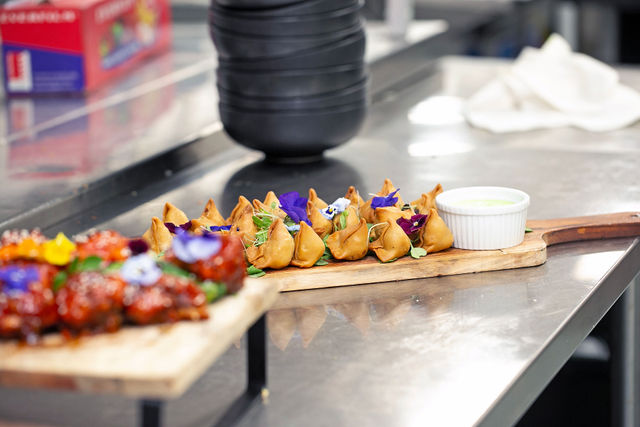
Sambusa with spiced beef and onion, Puff puff, fried fresh on site, Suya skewers with yaji spice, Chin chin, Nigerian pepper soup with goat
Injera Platters
Doro wot with hard-boiled egg, Key wot, slow-cooked beef in berbere, Tibs, sauteed lamb with rosemary and jalapeno, Misir wot, red lentils, Gomen and atkilt alicha
Rice And Mains
Jollof rice cooked over open flame, Bariis iskukaris with raisin and cardamom, Somali suqaar, diced beef with capsicum, Egusi stew with pounded yam, Grilled tilapia with pepper sauce
Sides And Sweet
Shiro, chickpea flour stew, Fried plantain, Moi moi, steamed bean pudding, Ethiopian coffee ceremony service, Sliced seasonal fruit platters
A starting point, not a fixed list. Swap any dish at no extra charge — the menu is built around your guest list, your budget and the dietary needs in the room.
Injera, Jollof And The Realities Of Scale
Injera is the hardest part of African catering at volume. It cannot be baked days ahead and it cannot be stacked warm or it sweats and tears. We order fresh daily from specialist Melbourne bakers, allow for teff-heavy and blended versions depending on budget and guest preference, and transport it flat in sealed stacks with paper between layers. On site it stays covered until twenty minutes before service. For a two hundred guest event that is a pallet of flatbread arriving separately from the hot food, which is why injera events need a firm headcount earlier than most.
Jollof rice is the other operational puzzle. Proper jollof wants a smoky bottom from an open flame, which you cannot get from a steam-table pan. We par-cook the rice in the base at South Kingsville, then finish it in batches in heavy pots on site so the smoke comes through and the grains stay separate. Pepper soup and egusi hold well. Fried plantain and puff puff do not — both go limp within twenty minutes, so they are fried on site in rolling batches through the first hour of service.
African Catering Dishes And How They Travel
A quick reference to the dishes we cook most often for African events in Melbourne, how each is served at volume, and its dietary profile.
| Dish | What it is | How we serve it at scale | Dietary notes |
|---|---|---|---|
| Injera with wot | Sour teff flatbread with Ethiopian and Eritrean stews spooned over the top | Injera rolled and stacked in insulated carriers, stews held separately in bain-maries and ladled at service | Injera is vegan; teff versions are gluten free. Misir wot and gomen are vegan |
| Doro wot | Slow-cooked chicken in berbere and onion with boiled egg | Cooked in large batches, held at temperature, eggs added late so they do not break up | Halal chicken available. Contains egg. Naturally gluten free |
| Jollof rice | West African rice cooked in a tomato, pepper and onion base | Finished in wide trays so the base stays firm, portioned straight from the tray | Vegan version uses vegetable stock. Gluten free |
| Suya | Nigerian skewered beef rubbed with groundnut and spice blend | Grilled in rotation and plated in batches so it reaches guests hot, not held long | Contains peanut. Halal beef available. Gluten free |
| Bariis iskukaris | Somali spiced rice with cardamom, cumin and often raisin | Steamed in bulk, rested, then forked through before trays go out | Vegan if cooked without meat stock. Gluten free |
| Sambusa | Fried triangular pastry with spiced meat or lentil filling | Fried close to service in staged batches and held uncovered on racks so steam escapes | Lentil filling is vegan. Contains wheat. Halal meat available |
Four Errors That Ruin African Catering At Volume
Stacking injera too early
Warm injera stacked straight off the mitad sticks together and turns gummy at the edges. We cool each piece before rolling, then layer with separation inside insulated carriers. Guests should be able to lift one piece cleanly. If the stack fuses, the whole service slows down while staff peel layers apart at the table.
Jollof held in deep trays
Jollof sitting deep in a gastronome keeps steaming itself. The grains at the bottom collapse and the smoky base flavour flattens out. We cook to a firm grain, spread it shallow across wider trays, and keep the lid off between top-ups. Depth matters more than holding time for rice that needs to stay separate.
Frying sambusa too far ahead
Sambusa fried hours before service goes limp, then goes greasy when reheated. We stage frying across the service window and rack the pastries uncovered so steam escapes rather than soaking the shell. For large guest counts, a rolling schedule beats one big batch every time.
Mixing halal and non-halal lines
Many African events in Melbourne include Muslim guests with strict halal requirements. Shared tongs, shared oil or a single buffet run breaks that. We separate preparation, transport and serving equipment, label every tray clearly, and brief serving staff before doors open so nothing gets swapped mid-service.
Get An Itemised Quote Within 24 Hours
Six details is all we need to start. No deposit, no obligation, and we will not add you to a mailing list.


