
Real Events We’ve Catered
A look at the weddings, corporate functions and celebrations Tandoori Flames has catered across Melbourne — real events, real guest counts, real logistics.
Events We Have Actually Catered
More than 850 events since 2013 — weddings from 50 to 500-plus guests, corporate functions across Melbourne, engagement ceremonies, milestone birthdays, cultural celebrations and community gatherings. The gallery shows real events rather than stock photography, with the event type, guest count and service style noted so you can find something comparable to what you are planning. If you want to speak to a client who booked something similar, ask. We will arrange it.- 850+ events catered since 2013
- Weddings from 50 to 500+ guests
- Real photos, not stock imagery
- Client references on request
- Menus from comparable events available
- Repeat corporate and family bookings
The Range Of What We Cater
A starting point, not a fixed list. Every menu is built around your guest list, your budget and the dietary needs in the room.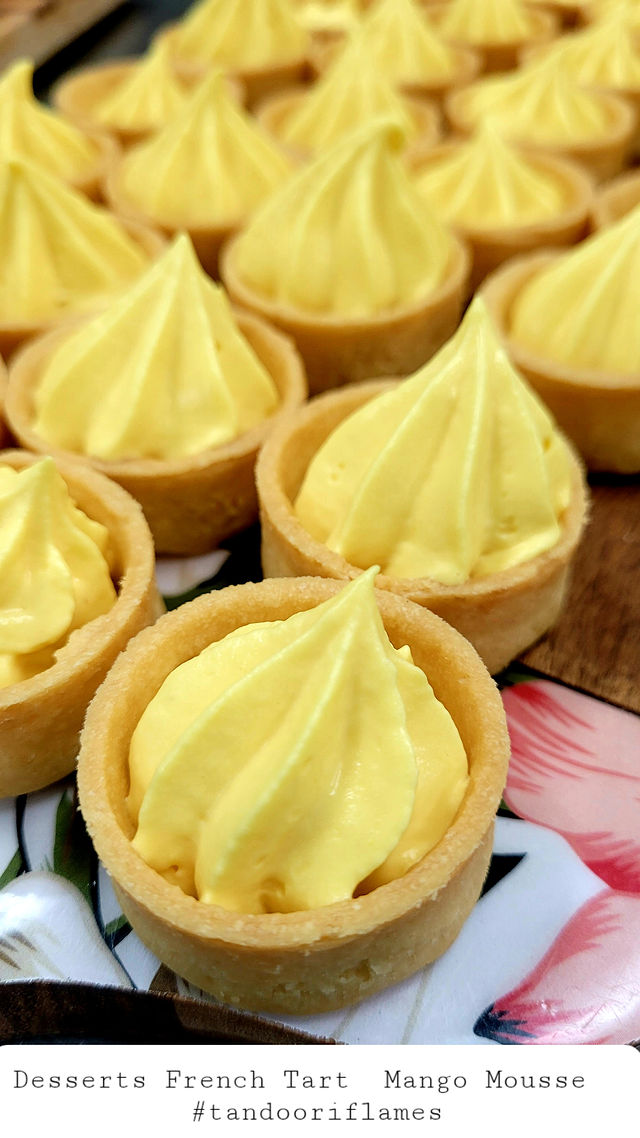
Weddings
50 to 500+ guests, Engagement & mehndi, Multi-day celebrations, Mixed-heritage menus, Live tandoor, Plated or buffet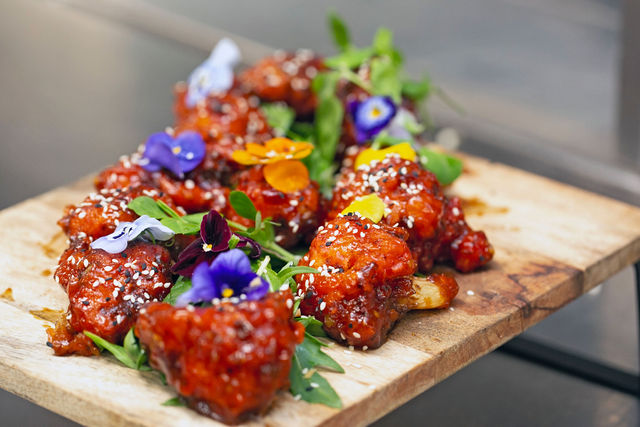
Corporate
Boardroom lunches, Conferences, Product launches, Award nights, Standing orders, End-of-year functions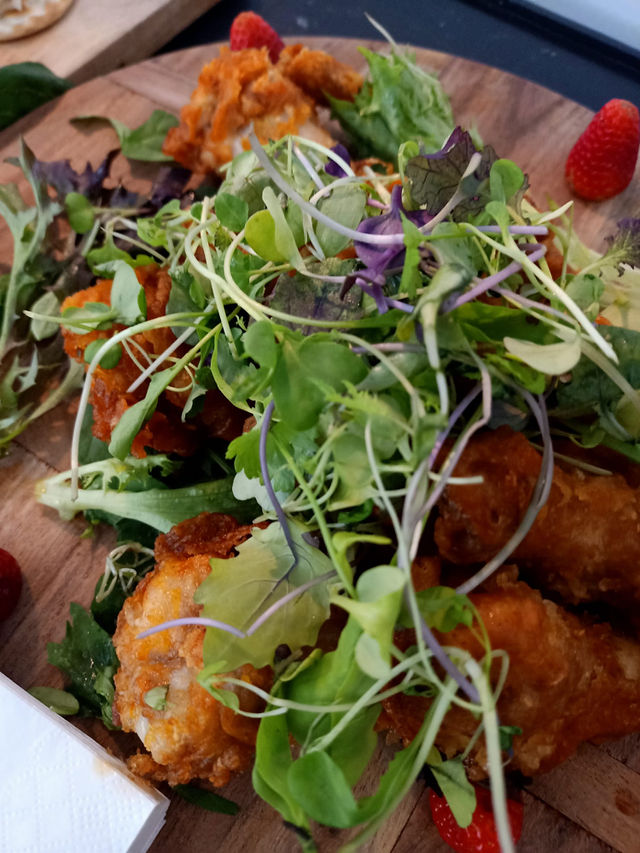
Celebrations
Milestone birthdays, Baby showers, Christenings, Anniversaries, Naming ceremonies, Family gatherings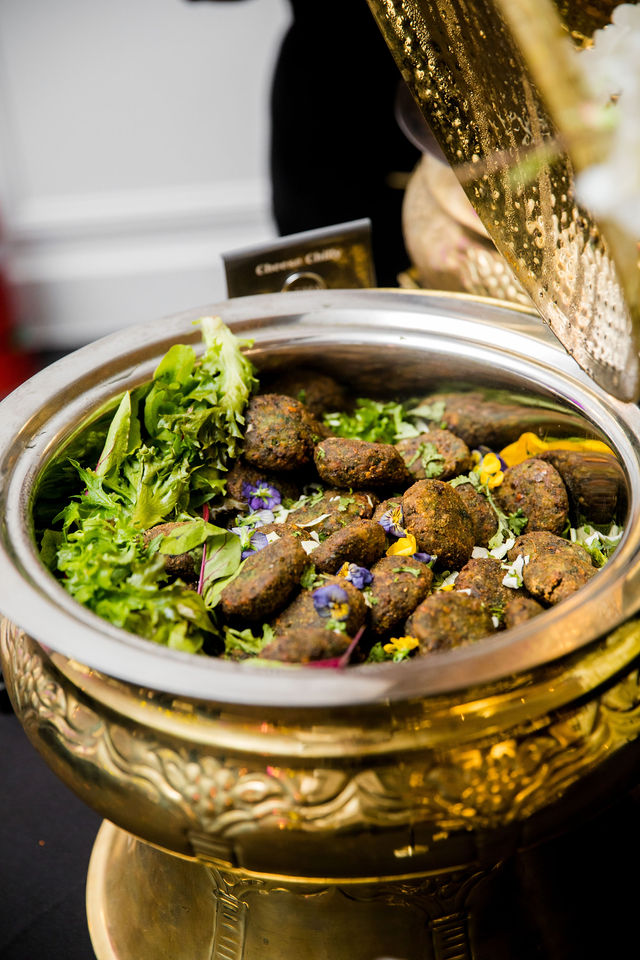
Community
Cultural festivals, Religious ceremonies, Almsgivings, Funerals, Fundraisers, Church eventsThree Melbourne Venues Of Our Own — Or We Come To Yours
Tandoori Flames is a catering company first. We own and operate three event venues across Melbourne, and we also cater your event at any venue, marquee, hall, park or private home you choose.Ultima Function Centre
Keilor East — eight event spaces and capacity to 800 guests. Catered in-house by our own team. Visit site →Fleur Weddings & Events
Fawkner — a glamorous single-room reception for up to 400 guests. Catered in-house by our own team. Visit site →Amora
Melbourne — our third event space, for clients who want a hotel-grade setting. Catered in-house by our own team.Melbourne-Wide, From Our South Kingsville Kitchen
Our production kitchen is in South Kingsville and our vans go everywhere — the inner west, the CBD, the bayside suburbs, the north and the outer west. Any delivery charge is quoted up front, never added later.
South Kingsville · Williamstown · Newport · Yarraville · Altona North · Point Cook · Hoppers Crossing · Tarneit · West Footscray
Our event work spreads across Melbourne. Weddings cluster around our own venues, Ultima Function Centre in Keilor East and Fleur Weddings & Events in Fawkner, plus Amora in Melbourne for hotel-grade functions. Corporate catering runs heavily through Melbourne CBD, Footscray and Sunshine business parks. Community and temple functions take us to Dandenong, Springvale, Craigieburn and Tarneit. Home and backyard events concentrate in Point Cook, Werribee, Hoppers Crossing and Truganina, where newer houses often have the space for a marquee. From South Kingsville we reach Williamstown, Yarraville, Newport and Altona North within a short drive.
Our Track Record — Your Questions Answered
Most of our work falls between 100 and 400 guests, with weddings and large cultural functions at the upper end. We regularly cater 30 to 80 guest private functions as well, and we run events up to 800 guests at Ultima Function Centre in Keilor East, which is the largest of the three venues we operate.
A 300-guest reception typically opens with a roaming canape hour, moves to a staggered buffet dinner after speeches, then a late dessert table. Dinner usually lands later than the original schedule because speeches overrun. We batch cook through service so the last tables get food at the same standard as the first.
Yes, we cater corporate lunches, conference catering, end-of-year functions, product launches and award nights across Melbourne and the CBD. Corporate briefs usually hinge on a tight service window and a hard finish time, so we staff these more heavily and build menus around dishes that serve quickly without losing quality.
Yes, we run multiple events on the same day, which is normal through peak season. Each event gets its own team, its own vehicle and its own run sheet. Capacity is finite though, so popular Saturdays between October and April fill well ahead and are worth locking in early.
Timing, almost always. Ceremonies run late, speeches overrun and dinner shifts by 30 to 60 minutes. We plan for that by holding food correctly rather than serving early, keeping batches rolling through service, and building buffer into the run sheet. The second common issue is unconfirmed power at outdoor sites.
Yes, we cater funerals, prayer meetings and memorial gatherings, usually at short notice. These bookings are handled quietly and simply: vegetarian or satvik menus, minimal setup, no music or display, and a service style that lets people serve themselves without ceremony. We can turn these around faster than a standard function.
We cater functions into the high hundreds, and Ultima Function Centre in Keilor East holds up to 800 guests across its eight spaces. Beyond our own venues, the practical limit depends on the site: kitchen access, power and the number of service lines we can run. For very large guest counts we split the buffet into multiple identical lines so nobody waits long.
Yes. Outdoor events need more planning because we bring everything, including heating equipment and often a generator or power access. Melbourne weather also means a wet-weather plan for the food service area, not just for guests. We design the menu around dishes that hold well outdoors and avoid items that suffer in wind, heat or a long service window.
Yes, and we regularly do. Our kitchen and staffing are built for multiple concurrent events, which is why we ask for dates early rather than menus. What we will not do is take a second event that compromises the first. If a date is already heavily booked we will tell you up front rather than stretch the team thin.
We plan for it. The cooking schedule is built backwards from the service window with some slack, and our chefs hold food correctly rather than letting it sit under heat too long. For events with a high chance of delay, such as weddings with a ceremony on site, we stage the cooking so the main service can shift without quality dropping.
Our team usually arrives two to four hours before service, depending on the menu and whether there are live stations. That covers equipment setup, buffet layout, labelling and final cooking on site. Live stations need the longer end of that. For drop-off catering it is much shorter. We confirm the exact arrival time once the venue’s access window is known.
Yes. House gatherings, naming ceremonies, small prayer meetings and intimate engagement parties are regular work for us. Smaller events usually suit a delivered and set-up buffet rather than full on-site staffing, which keeps the format simple. The menu planning is the same process; only the scale and the staffing change. Short-notice small events are often possible.
The Kinds Of Events We Actually Run
This page is about event types, not names. We do not publish client details, so instead here is what each kind of function genuinely involves when we cater it: the headcount, the service style, the timing pressure and what tends to go wrong if it is not planned. If you are trying to picture how your own event would run, find the closest match below. The numbers and patterns are drawn from the work we have been doing across Melbourne since 2013.
The honest summary is that event type predicts far more than guest count does. A 300-guest Punjabi reception and a 300-guest corporate gala are completely different jobs. One has a two-hour speech block and a late dinner. The other has a hard finish and a room full of people who want to be served and out. Knowing which shape your event has tells us how to staff it, how to time it and what style of service to recommend.
Tandoori Flames MelbourneTalk To A Human
Call 0401 338 005 any day between 9am and 8pm, or send the form and we will come back within 24 hours.
Get An Itemised QuoteThree Event Shapes And How They Differ
Large Indian receptions
A 300-guest Punjabi reception usually runs a long cocktail hour, late dinner and a dessert push after the dance floor opens. Food has to hold for hours without drying. We stagger batch cooking rather than putting everything out at the scheduled time and hoping the schedule holds.
Corporate functions and galas
Corporate events run to the minute and finish hard. Service windows are short, often 40 minutes for a main course across several hundred guests. That means more staff, more serving points and a menu built from dishes that plate fast and travel the room well.
Private and milestone events
Birthdays, anniversaries, naming ceremonies and house functions run between 40 and 150 guests, often at home or in a hall. Space is the constraint, not numbers. We work off limited bench space, plan the line around the room, and keep the setup compact.
Menus That Hold Up Across Event Types
These are the dishes that repeat across our event work, chosen because they hold temperature, scale cleanly and read well on a long buffet line.
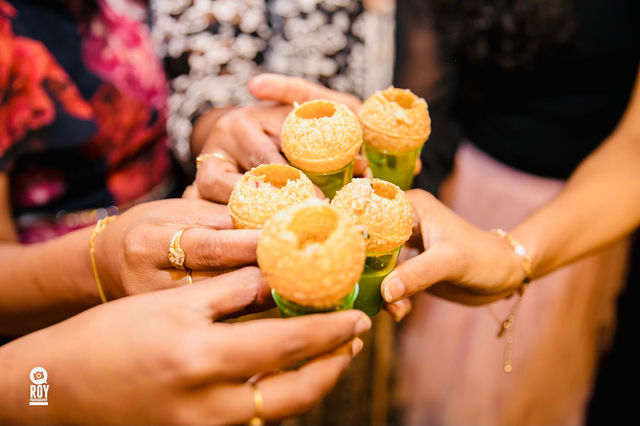
Volume Entrees
Veg Pakoras, Veggie Samosa, Chicken Reshmi Kebab, Chicken Manchurian, Gobi Manchurian
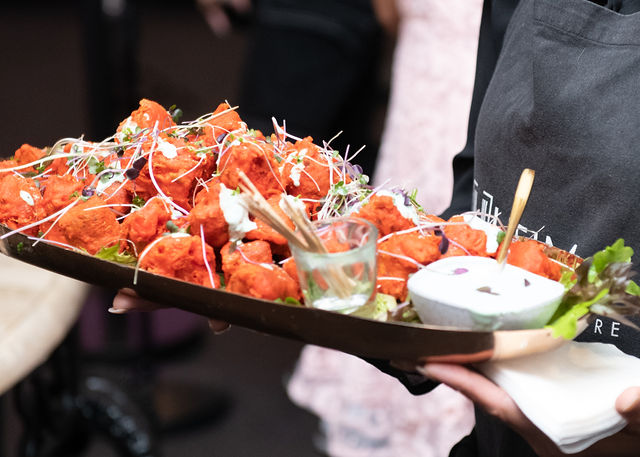
Reception Mains
Punjabi Butter Chicken, Dal Makhani, Lamb Madras Curry, Punjabi Malai Kofta, Shahi Murg
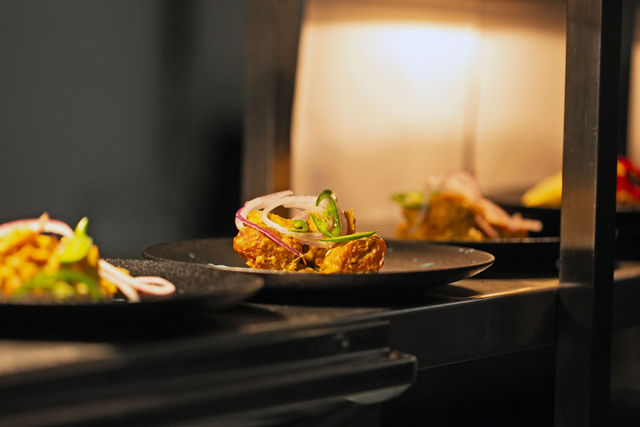
Corporate-Friendly Plates
Tandoori Chicken Masala, Kadahi Paneer, Chicken Biryani, Smoky Salmon, Baigan Bharta
Late-Night Dessert Table
Gulab Jamun, Matka Kulfi, Chocolate Naan, Sizzling Chocolate Brownie, Faluda Kulfi
A starting point, not a fixed list. Swap any dish at no extra charge — the menu is built around your guest list, your budget and the dietary needs in the room.
What Scale Actually Changes On The Day
Under 150 guests, one buffet line works and the kitchen is the bottleneck. Between 150 and 400, you need a second line or the queue becomes the event. Above 400, usually at Ultima Function Centre in Keilor East, the job becomes logistics: multiple service points, staggered table releases, a dedicated vegetarian line and a coordinator whose only job is watching the flow. Guest count also changes how we cook. Large functions are batched through service so the last table is eating food cooked in the same window as the first, not food that has been sitting since the speeches started.
Venue type matters as much as headcount. Our own venues are known quantities. External venues across the inner west, Point Cook, Tarneit and the CBD each have their own quirks: lift access, loading dock times, no gas, restricted kitchen hours, noise curfews. Marquee and park events need power confirmed in writing and a wet-weather plan agreed before the week of the event. We do a site visit for anything we have not catered before, because the thing that derails service is almost never the food.
Event Types We Cater And What Each One Involves
The event types we work on most, with the guest numbers and service formats that typically suit each one.
| Event type | Typical guest range | Service format that suits it | What it hinges on |
|---|---|---|---|
| Weddings and receptions | 150 to 600 | Buffet with live stations, or plated for formal sittings | Holding service through speeches and photos |
| Engagements and roka ceremonies | 60 to 200 | Grazing table plus a short hot buffet | Arrival food ready before guests settle |
| Corporate functions and workplace lunches | 20 to 250 | Drop-off buffet or roaming canapes | A tight service window inside a work day |
| Milestone birthdays and anniversaries | 40 to 300 | Buffet with a dessert or chaat station | Late-running schedules and mixed age groups |
| Religious and temple functions | 80 to 500 | Satvik or Jain buffet, often served by volunteers | Strict ingredient rules and separate equipment |
| Memorials and prayer gatherings | 30 to 200 | Simple vegetarian buffet or packed portions | Short notice and a quiet, unobtrusive setup |
What Separates Smooth Events From Stressful Ones
No single point of contact
When three family members all message the caterer with changes, instructions contradict each other and something gets missed. Nominate one decision-maker for catering and tell us who it is, including who makes the call on the night when the schedule shifts. It is the single cheapest thing you can do to prevent problems on the day.
Service window squeezed by the program
Hosts build a program full of speeches, dances and presentations, then leave twenty minutes for dinner. Food sits waiting and guests eat rushed. Work out the service window first and build the program around it. A buffet needs a realistic stretch of time for a large guest list to pass through without a queue forming at the door.
Venue access checked too late
Loading docks, lift bookings, after-hours access and bump-in windows all vary, and CBD venues are the strictest. Finding out on the day that the kitchen is locked or the lift is booked costs you service time. Confirm access details when you confirm the venue, and pass them to us in writing rather than from memory.
Treating dessert as an afterthought
Dessert gets decided last, often on the night, and then there is nowhere to serve it from and no staff free. Decide the dessert format early, because a live station needs space, power and a person, while a plated dessert needs clear tables. It is the last thing guests remember, so it deserves a plan.
Get An Itemised Quote Within 24 Hours
Six details is all we need to start. No deposit, no obligation, and we will not add you to a mailing list.


